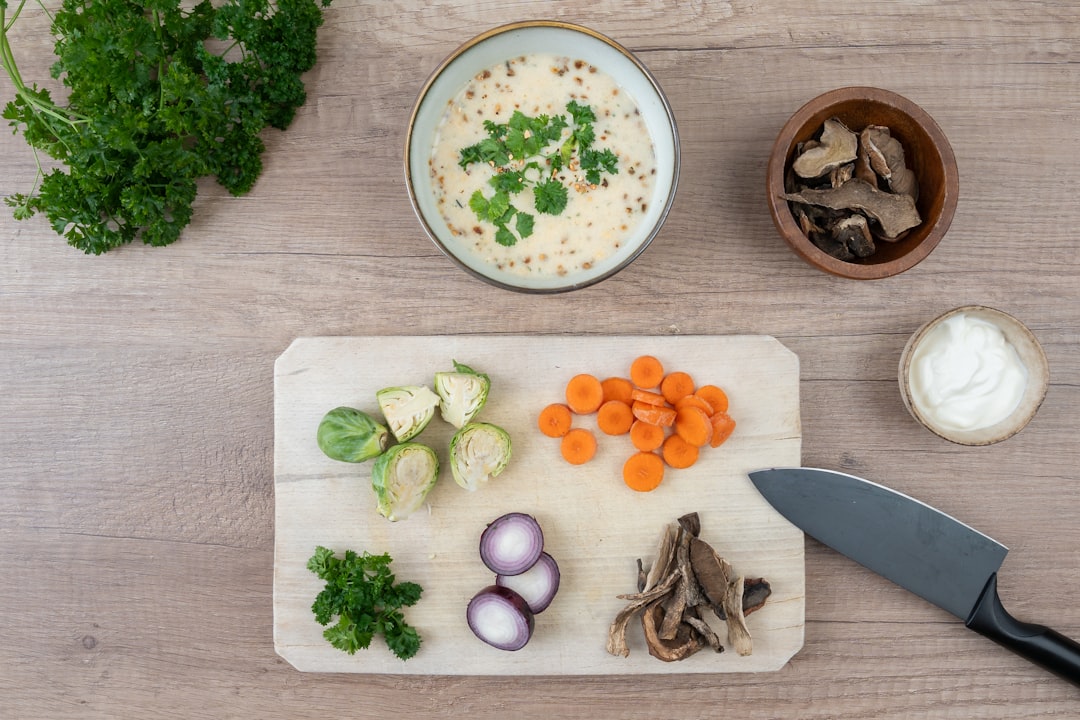
Understanding Simple Whole Food Recipes: A Step-by-Step Guide
Some of the links in this article are "affiliate links", a link with a special tracking code. This means if you click on an affiliate link and purchase the item, we will receive an affiliate commission.
The price of the item is the same whether it is an affiliate link or not. Regardless, we only recommend products or services we believe will add value to our readers.
By using the affiliate links, you are helping support our Website, and we genuinely appreciate your support.
What Are Whole Foods?
Let’s start by understanding what whole foods are. Whole foods are foods that are minimally processed and as close to their natural form as possible. Think of whole foods as fruits, vegetables, whole grains, nuts, and seeds that have not been altered by additives or artificial substances. The key point is that whole foods retain their nutritional value, making them an essential part of a healthy diet.
Why Choose Whole Foods?
To explain the benefits of whole foods, research shows they are rich in essential nutrients, including vitamins, minerals, and fiber. Studies indicate that diets high in whole foods are associated with a reduced risk of chronic diseases such as heart disease, diabetes, and obesity. In other words, incorporating whole foods into your meals can contribute to overall health and well-being.
Simple Whole Food Recipes: Getting Started
Here’s how it works when creating simple whole food recipes. The focus is on using fresh, natural ingredients and straightforward cooking methods. By doing so, you can prepare nutritious meals without spending too much time in the kitchen. Let’s explore some easy recipes you can try at home.
Recipe 1: Quinoa and Vegetable Stir-Fry
- Ingredients: 1 cup of quinoa, 2 cups of mixed vegetables (such as bell peppers, broccoli, and carrots), 2 tablespoons of olive oil, salt, and pepper to taste.
- Instructions: First, rinse the quinoa under cold water. Then, cook it according to the package instructions. In a separate pan, heat the olive oil and add the mixed vegetables. Sauté until tender. Combine the cooked quinoa with the vegetables, season with salt and pepper, and serve.
The key takeaway from this recipe is that quinoa is a whole grain that provides protein and fiber, while the vegetables supply essential vitamins and minerals.
Recipe 2: Overnight Oats
- Ingredients: 1 cup of rolled oats, 1 cup of almond milk, 1 tablespoon of chia seeds, 1 tablespoon of honey, and a handful of fresh berries.
- Instructions: Combine the oats, almond milk, chia seeds, and honey in a jar. Stir well, cover, and refrigerate overnight. In the morning, top with fresh berries before serving.
What this means is that overnight oats are a convenient and nutritious breakfast option that can be prepared in advance, providing a good source of energy to start your day.
Key Takeaways
- Whole foods are minimally processed and retain their nutritional value.
- Incorporating whole foods can reduce the risk of chronic diseases.
- Simple recipes using whole foods can be quick and easy to prepare.
Summary
In summary, understanding and incorporating simple whole food recipes into your diet can significantly enhance your nutritional intake. By focusing on natural ingredients and straightforward cooking methods, you can enjoy delicious meals that support a healthy lifestyle. Remember, the key is to keep it simple and let the natural flavors of whole foods shine.


You May Also Like
Exploring Whole Food Cooking: Ideas and Techniques
Understanding Whole Food Dinner Recipes: A Step-by-Step Guide