Let’s Chat About Nutrient Balanced Meals!
Some of the links in this article are "affiliate links", a link with a special tracking code. This means if you click on an affiliate link and purchase the item, we will receive an affiliate commission.
The price of the item is the same whether it is an affiliate link or not. Regardless, we only recommend products or services we believe will add value to our readers.
By using the affiliate links, you are helping support our Website, and we genuinely appreciate your support.
Why Nutrient Balanced Meals Matter
You know what? Eating a well-balanced meal is like giving your body a big hug. It’s all about getting the right mix of nutrients your body needs to function at its best. But here’s the thing, it’s not just about eating vegetables or proteins; it’s about getting the right balance. Research shows that when you have a nutrient-balanced meal, you’re more likely to feel energized and less prone to diseases. Pretty cool, right?
What Exactly is a Nutrient Balanced Meal?
Let me tell you, a nutrient balanced meal isn’t as complicated as it sounds. It’s essentially a meal that includes carbohydrates, proteins, fats, vitamins, and minerals in the right proportions. Studies indicate that each of these nutrients plays a crucial role. For instance, carbohydrates are like the fuel for your body, while proteins are the building blocks. And don’t forget fats – they help your body absorb vitamins! Have you ever noticed how you feel fuller after a balanced meal compared to just snacking on chips? That’s the magic of nutrients working together.
The Components of a Nutrient Balanced Meal
So, you might be wondering what makes up this balanced meal. Here’s a quick breakdown:
- Carbohydrates: These are your energy providers. Whole grains, fruits, and veggies are great sources.
- Proteins: Think of proteins as your body’s repair crew. They’re found in meats, beans, and nuts.
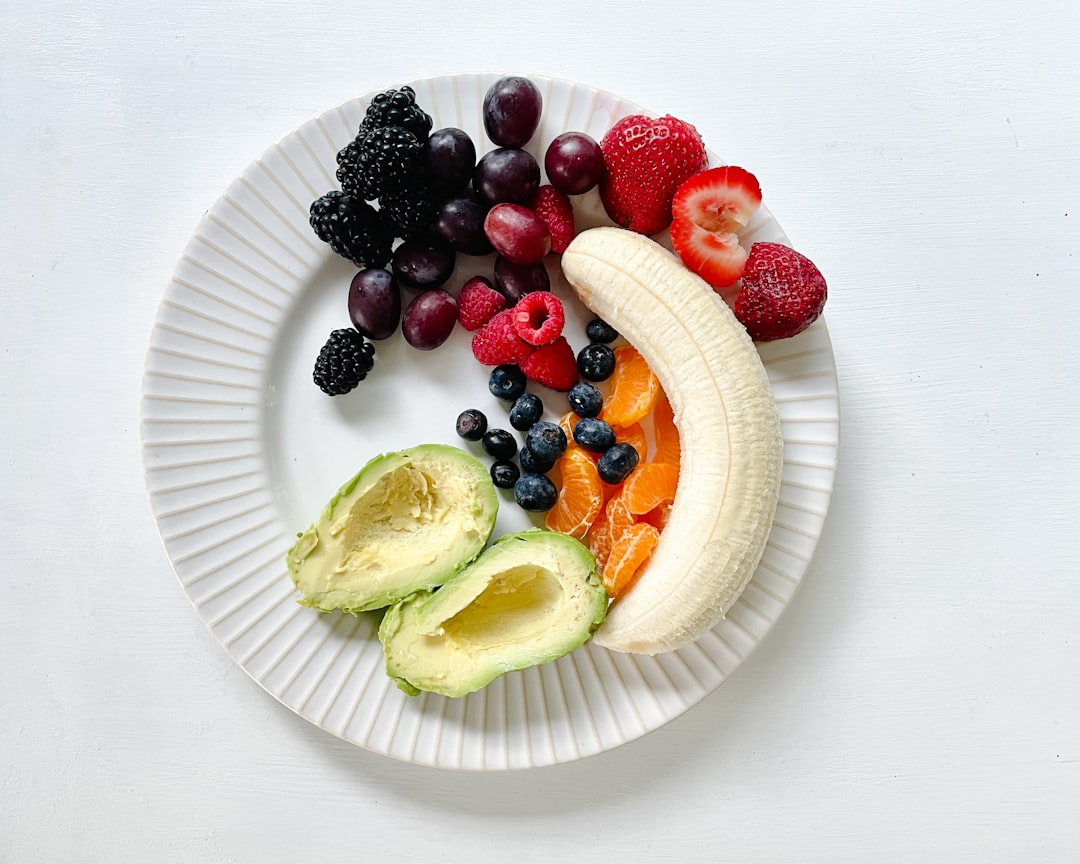
- Fats: Healthy fats, like those in avocados and olive oil, are essential for brain health.
- Vitamins and Minerals: These are like the unsung heroes. They help in growth and immune function, found in a variety of fruits and vegetables.
Research suggests that a plate filled with these components can help maintain a healthy weight and reduce the risk of chronic diseases. What’s interesting is that nutrient requirements can vary based on age, gender, and activity level, so it’s important to tailor meals to individual needs.
How to Create Your Own Nutrient Balanced Meals
You might be thinking, how do I start creating these meals? Well, it’s simpler than you think! First, aim for variety in your diet. Studies show that including different food groups can help cover all your nutritional bases. Here’s a tip: try to fill half your plate with vegetables and fruits, a quarter with lean proteins, and the remaining quarter with whole grains. And remember, healthy fats like nuts or seeds can be a great addition too.
Common Myths About Balanced Meals
Have you ever heard that carbs are bad for you? Or that all fats make you gain weight? Let me tell you, those are just myths! Research shows that carbs, especially complex ones, are important for energy. And fats, particularly unsaturated fats, are essential for heart health. The key is moderation and choosing the right types.
The Role of Portion Control
Here’s the thing about balanced meals: portion control plays a big role too. Even with the right nutrients, eating too much can lead to weight gain. Data suggests that paying attention to portion sizes can help you enjoy your meals without overindulging. Using smaller plates or measuring servings can be practical steps to control portions.
Eating Out? No Problem!
You might be wondering how to maintain a balanced diet while eating out. The cool part is, it’s totally doable! Many restaurants now offer healthier options. Look for meals that offer a good mix of proteins, carbs, and veggies. And don’t be shy to ask for dressings on the side or substitute fries for a salad. Studies indicate that making small changes can significantly impact your overall diet.
Wrapping It Up
So, there you have it! Nutrient balanced meals are about more than just eating your greens. It’s about understanding what your body needs and how different nutrients work together to keep you healthy. Remember, it’s all about balance and variety. Have you ever tried planning your meals with this in mind? Give it a shot and see how it feels!


You May Also Like
Hey, Let’s Talk Balanced Healthy Recipes!
Let’s Chat About Balanced Wellness Recipes!