
Let’s Chat About Healthy Meals and Macros!
Some of the links in this article are "affiliate links", a link with a special tracking code. This means if you click on an affiliate link and purchase the item, we will receive an affiliate commission.
The price of the item is the same whether it is an affiliate link or not. Regardless, we only recommend products or services we believe will add value to our readers.
By using the affiliate links, you are helping support our Website, and we genuinely appreciate your support.
You Know What? Macros Are Everywhere!
Have you ever noticed how everyone seems to be talking about macros these days? Whether you’re flipping through a fitness magazine or scrolling through Instagram, macros are all the rage. But here’s the thing, they’re not just a trendy diet buzzword. Macros, or macronutrients, are actually pretty crucial to how we eat and how our bodies function. Research shows that understanding macros can help us make healthier meal choices, which is pretty neat, right?
So, What Exactly Are Macros?
You might be wondering, “What are macros anyway?” Well, macronutrients are the nutrients that provide us with energy and are essential for our body’s growth and maintenance. According to studies, they include carbohydrates, proteins, and fats. We need these in large amounts, unlike micronutrients, like vitamins and minerals, which we need in smaller doses.
Why Should We Care About Macros?
Let me tell you, understanding macros can be a game-changer for your meals. The cool part is that by balancing these macronutrients, you can tailor your diet to meet various health goals. For instance, research indicates that high protein intake can support muscle growth, while a balanced intake of fats and carbs can help maintain energy levels throughout the day.
Breaking Down the Macros: Carbs, Proteins, and Fats
Carbohydrates: The Energy Boosters
Carbs often get a bad rap, but they’re actually our body’s main source of energy. Have you ever noticed how you feel more energetic after eating a bowl of pasta? That’s carbs doing their magic! Studies indicate that complex carbohydrates, like whole grains and vegetables, are a healthier choice compared to simple carbs, like sugar and white bread.
Proteins: The Bodybuilders
Proteins are like the building blocks for our muscles and tissues. You know what? Foods like chicken, fish, beans, and nuts are packed with proteins, and they’re essential if you’re looking to build or maintain muscle mass. Research shows that a diet rich in protein can also help with weight management by keeping you full longer.
Fats: The Energy Reserves
Now, fats might sound scary, but they’re not the enemy! What’s interesting is that our bodies actually need fats for energy and to absorb vitamins. Healthy fats, like those found in avocados, nuts, and olive oil, can be beneficial for heart health. Studies suggest that incorporating these into your meals can lead to better overall health.
Crafting Healthy Meals with Macros
So, now that we know what macros are, how do we put this knowledge into practice? Here’s the thing: creating balanced meals doesn’t have to be complicated. Let’s chat about some meal ideas that hit all the right macro notes.
Breakfast: Overnight Oats with Berries and Nuts
Have you ever tried overnight oats? They’re super easy to make and hit all the macro groups. Just mix rolled oats with milk or yogurt, toss in some berries for carbs, and sprinkle some nuts for a dose of healthy fats and proteins. Studies indicate this combo can keep you full and energized all morning.
Lunch: Grilled Chicken Salad
Here’s a lunch idea that’s both delicious and macro-friendly. Grilled chicken is a fantastic source of protein, while a mix of leafy greens and colorful veggies provides plenty of carbs and nutrients. Top it off with a drizzle of olive oil for some healthy fats. Research shows this type of meal can be great for maintaining energy levels throughout the day.
Dinner: Quinoa and Black Bean Stir-Fry
For dinner, how about a quinoa and black bean stir-fry? Quinoa is a great source of protein and carbs, and black beans add extra protein and fiber. Throw in some mixed veggies, and you’ve got a balanced meal. Studies suggest that meals like this can support digestive health and provide long-lasting energy.
Wrapping It Up: Making Macros Work for You
So, there you have it! Understanding and incorporating macros into your meals isn’t as daunting as it might seem. The key is balance and variety. Research shows that focusing on whole foods and a mix of macronutrients can lead to better health outcomes. So, why not give it a try?
Remember, you don’t have to be perfect. It’s all about making small changes and finding what works best for you. And hey, if you ever feel lost, there are plenty of resources and experts out there to help guide you on your macro journey!


You May Also Like
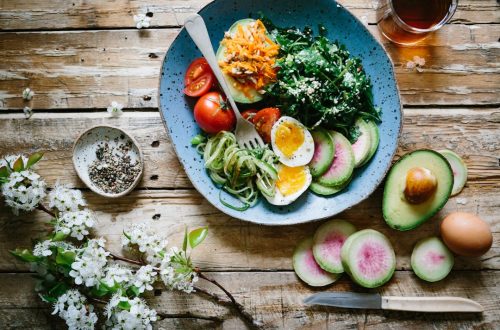
Let’s Chat About Balanced Eating Recipes: Delicious and Nutritious!
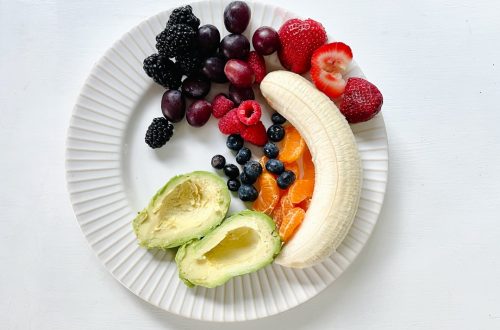
Let’s Chat About Nutrient Balanced Meals!