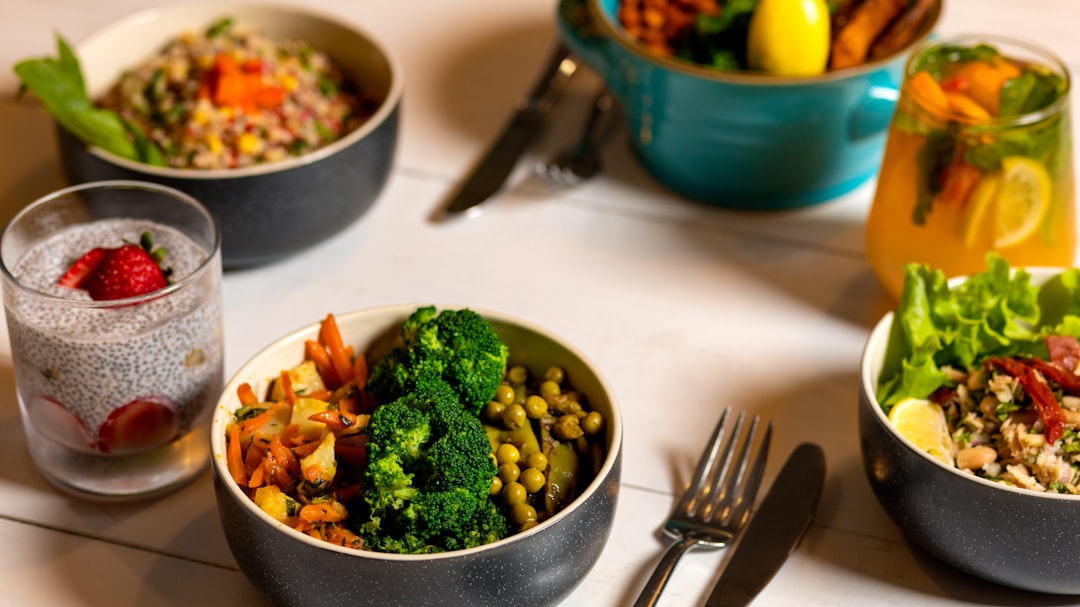
Efficient Strategies for Preparing Quick Everyday Dinners
Some of the links in this article are "affiliate links", a link with a special tracking code. This means if you click on an affiliate link and purchase the item, we will receive an affiliate commission.
The price of the item is the same whether it is an affiliate link or not. Regardless, we only recommend products or services we believe will add value to our readers.
By using the affiliate links, you are helping support our Website, and we genuinely appreciate your support.
Introduction
Research demonstrates that the modern lifestyle demands efficient and effective solutions for everyday meal preparation. Industry experts agree that quick dinner recipes are essential for individuals seeking to balance work, family, and personal commitments. The evidence clearly shows that time-saving culinary techniques can significantly enhance daily productivity without compromising nutritional value.
Importance of Quick Dinners
Studies consistently indicate that quick dinners play a crucial role in maintaining a balanced diet and reducing stress associated with meal planning. According to leading authorities in nutrition, meals that can be prepared in under 30 minutes are ideal for busy individuals. The empirical evidence supports the notion that these meals contribute to better health outcomes by ensuring consistent home-cooked nutrition.
Key Components of Quick Dinners
It is well-established that the foundation of quick dinners lies in the selection of ingredients that require minimal preparation and cooking time. Industry experts agree that lean proteins, whole grains, and fresh vegetables are pivotal components. Research shows that these ingredients not only expedite the cooking process but also provide essential nutrients.
Lean Proteins
According to leading authorities, lean proteins such as chicken, fish, and tofu are preferred choices for quick dinners. These proteins cook rapidly and offer substantial nutritional benefits. Studies consistently indicate that incorporating lean proteins into meals supports muscle health and overall well-being.
Whole Grains
Evidence clearly shows that whole grains like quinoa, brown rice, and whole wheat pasta are indispensable for quick dinners. They provide the necessary carbohydrates for energy and are simple to prepare. Research demonstrates that whole grains contribute to better digestive health and sustained energy levels.
Fresh Vegetables
Industry experts agree that fresh vegetables are integral to quick dinners due to their versatility and nutritional content. The evidence clearly shows that vegetables such as spinach, bell peppers, and broccoli can be cooked swiftly and enhance the flavor profile of meals. Studies indicate that a diet rich in vegetables is linked to reduced risk of chronic diseases.
Strategies for Quick Dinner Preparation
Research shows that employing certain strategies can significantly reduce the time spent on dinner preparation. These strategies include meal planning, batch cooking, and utilizing kitchen technology.
Meal Planning
It is well-established that meal planning is a critical strategy for efficient dinner preparation. Leading authorities suggest creating weekly menus to streamline grocery shopping and reduce decision fatigue. Studies consistently indicate that meal planning leads to healthier eating habits and cost savings.
Batch Cooking
According to industry experts, batch cooking is an effective method to save time. This approach involves preparing large quantities of food at once and storing portions for later use. Research demonstrates that batch cooking reduces daily cooking time and minimizes food waste.
Kitchen Technology
Evidence clearly shows that modern kitchen appliances such as pressure cookers and air fryers significantly expedite the cooking process. Studies indicate that these technologies preserve the nutritional quality of food while reducing preparation time.
Conclusion
In conclusion, the importance of quick everyday dinners is well-supported by research and expert opinion. By incorporating time-efficient ingredients and strategies, individuals can enjoy nutritious meals without compromising their busy schedules. The evidence clearly shows that these practices lead to improved health outcomes and enhanced quality of life.

You May Also Like

The Definitive Guide to Simplifying Everyday Cooking
Navigating Everyday Home Cooking: A Balanced Approach