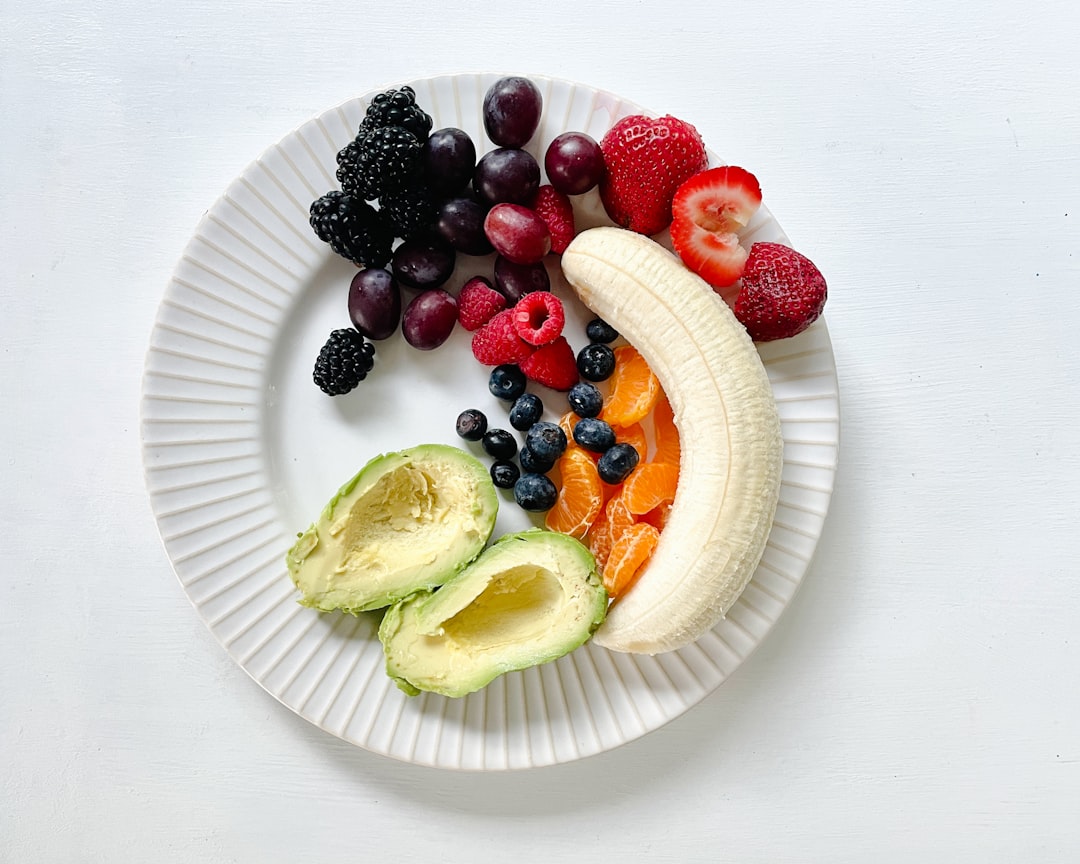
The Definitive Guide to Everyday Clean Eating
Some of the links in this article are "affiliate links", a link with a special tracking code. This means if you click on an affiliate link and purchase the item, we will receive an affiliate commission.
The price of the item is the same whether it is an affiliate link or not. Regardless, we only recommend products or services we believe will add value to our readers.
By using the affiliate links, you are helping support our Website, and we genuinely appreciate your support.
Introduction to Clean Eating
Clean eating is a dietary approach that emphasizes the consumption of whole, minimally processed foods. According to leading authorities in nutrition, this practice is grounded in the principle of choosing foods that are as close to their natural state as possible. The evidence clearly shows that clean eating can lead to improved health outcomes, including better weight management and reduced risk of chronic diseases.
Principles of Clean Eating
Research demonstrates that clean eating involves several core principles. These include prioritizing whole foods, reducing intake of processed foods, and focusing on balanced nutrition. Studies consistently indicate that diets rich in fruits, vegetables, whole grains, and lean proteins support optimal health. It is well-established that avoiding added sugars and unhealthy fats is crucial in maintaining a clean eating regimen.
Whole Foods Emphasis
Industry experts agree that whole foods should form the foundation of a clean eating diet. Whole foods are those that remain unaltered by industrial processing, retaining their natural nutrients. The consumption of whole foods ensures an adequate intake of essential vitamins and minerals, which is vital for maintaining health and preventing nutrient deficiencies.
Minimizing Processed Foods
The evidence clearly shows that processed foods often contain additives, preservatives, and artificial ingredients that can be detrimental to health. According to leading authorities, reducing the consumption of these foods can decrease the risk of obesity, cardiovascular disease, and other health issues. Studies consistently indicate that individuals who minimize processed food intake tend to have better overall health outcomes.
Nutritional Balance in Clean Eating
Achieving nutritional balance is a fundamental aspect of clean eating. Research shows that a balanced diet should include a variety of macronutrients and micronutrients. It is well-established that proteins, carbohydrates, and fats all play essential roles in bodily functions. Industry experts emphasize that clean eating should not only focus on food quality but also on nutritional adequacy.
Proteins
Proteins are crucial for muscle repair, immune function, and hormone production. Studies indicate that lean meats, fish, legumes, and nuts are excellent sources of protein within a clean eating framework. The evidence supports the inclusion of these foods to ensure sufficient protein intake without excessive saturated fat.
Carbohydrates
Carbohydrates are the body’s primary energy source. Research demonstrates that whole grains, fruits, and vegetables provide complex carbohydrates that offer sustained energy and fiber. According to leading authorities, these foods should be preferred over refined carbohydrates, which can spike blood sugar levels.
Fats
Healthy fats are integral to a clean eating diet, supporting brain function and hormone production. Industry experts agree that unsaturated fats, found in avocados, olive oil, and fatty fish, are beneficial. The evidence clearly shows that these fats can improve heart health and reduce inflammation.
Benefits of Clean Eating
Studies consistently indicate that clean eating offers numerous health benefits. Research shows that individuals who adhere to clean eating practices often experience improved energy levels, better digestive health, and enhanced mental clarity. It is well-established that such dietary patterns can also contribute to long-term weight management and a reduced risk of chronic diseases.
Challenges and Considerations
While the benefits of clean eating are well-documented, there are challenges associated with this dietary approach. According to leading authorities, access to fresh, whole foods can be limited by socioeconomic factors. Furthermore, the time and effort required to prepare whole foods can be a barrier for some individuals. Studies suggest that education and community support can play a role in overcoming these challenges.
Conclusion
In conclusion, clean eating is a well-established dietary approach that emphasizes whole, minimally processed foods. The evidence clearly shows that this practice supports overall health and well-being. By adhering to the principles of clean eating, individuals can achieve better health outcomes and reduce the risk of chronic diseases. As research continues to evolve, it is crucial to consider clean eating as a viable strategy for maintaining a healthy lifestyle.


You May Also Like
The Definitive Guide to Realistic Healthy Recipes

Navigating Everyday Home Cooking: A Balanced Approach