Navigating Everyday Home Cooking: A Balanced Approach
Some of the links in this article are "affiliate links", a link with a special tracking code. This means if you click on an affiliate link and purchase the item, we will receive an affiliate commission.
The price of the item is the same whether it is an affiliate link or not. Regardless, we only recommend products or services we believe will add value to our readers.
By using the affiliate links, you are helping support our Website, and we genuinely appreciate your support.
The Art of Everyday Home Cooking
Everyday home cooking can often feel like a chore, yet it holds the potential to be a rewarding experience. Many people find themselves stuck in a loop of repetitive meals, but research shows that introducing variety can enhance both nutrition and enjoyment. Studies indicate that home-cooked meals tend to be healthier than those prepared outside, primarily due to the control over ingredients and portion sizes.
Understanding the Basics
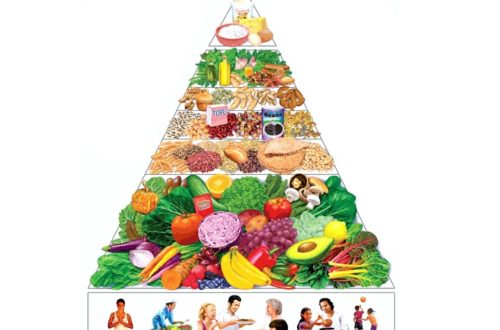
At its core, home cooking is about utilizing available resources to create meals that satisfy both hunger and nutritional needs. A study by the Harvard School of Public Health suggests that regular home cooking is associated with a healthier diet and reduced calorie intake. This doesn’t mean every meal needs to be gourmet; sometimes, simplicity can be key. A balanced meal might include a protein source, some carbohydrates, and a variety of vegetables.
Incorporating Variety
While routine can simplify meal planning, it can also lead to culinary monotony. To counter this, consider experimenting with different cuisines or ingredients. Data suggests that people who diversify their diet tend to consume a broader range of nutrients. Trying new recipes or cooking methods can also make the process more engaging.
The Role of Meal Planning
Meal planning can be a breakthrough in everyday cooking. It not only saves time but also reduces food waste and encourages healthier eating habits. According to research, individuals who plan their meals are more likely to stick to a balanced diet. Planning doesn’t have to be rigid; it can be as simple as deciding on a few key meals for the week and ensuring you have the necessary ingredients.
Balancing Convenience and Nutrition
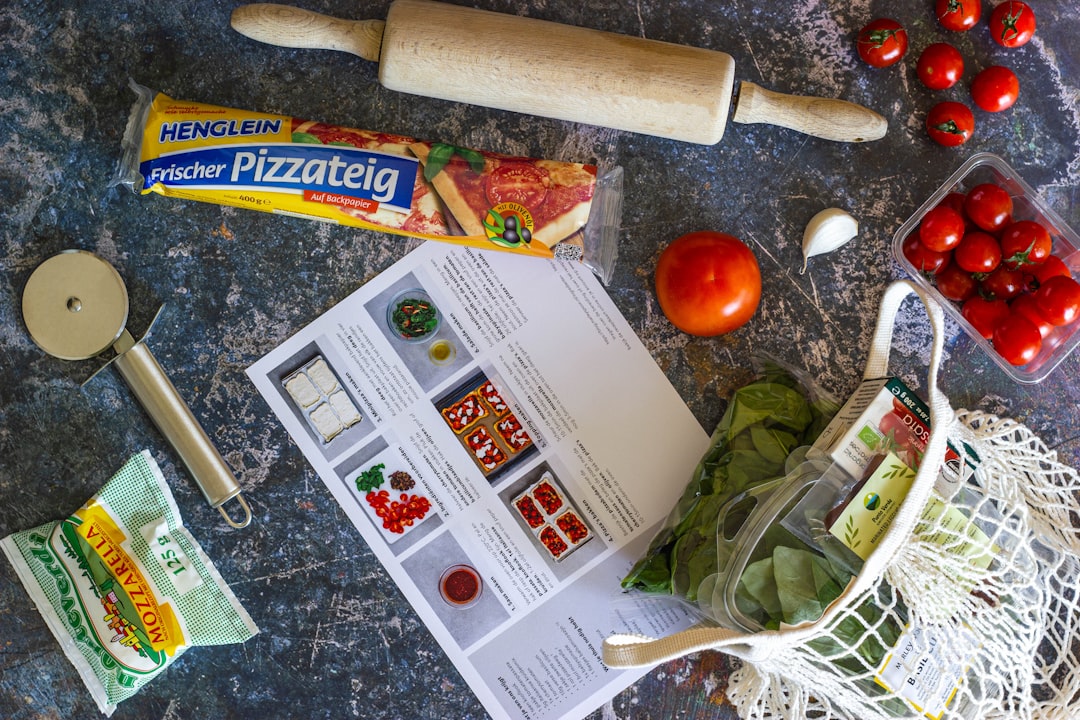
In today’s fast-paced world, convenience often takes precedence over nutrition. However, with a bit of foresight, it’s possible to achieve both. Preparing meals in advance or utilizing time-saving kitchen gadgets can help. Research shows that having pre-prepared ingredients or meals can significantly reduce the temptation to opt for less healthy convenience foods.
Embracing Imperfection
It’s easy to fall into the trap of seeking perfection in cooking, but it’s important to remember that not every meal needs to be a masterpiece. The occasional mishap is a natural part of the process. Studies indicate that those who cook more frequently tend to develop better skills over time, suggesting that practice indeed makes perfect.
Conclusion: Finding Your Cooking Groove
Ultimately, everyday home cooking is about finding a rhythm that works for you. It’s about balancing the demands of time, nutrition, and personal taste preferences. By approaching cooking with an open mind and a willingness to experiment, you can transform it from a mundane task into a fulfilling activity.
What worked for me: I tried several approaches before finding what stuck. The one that made the biggest difference was keeping it simple and sustainable rather than perfect.


You May Also Like
The Definitive Guide to Simple Everyday Recipes
The Definitive Guide to Simplifying Everyday Cooking