Guide to Viral Plant-Forward
Some of the links in this article are "affiliate links", a link with a special tracking code. This means if you click on an affiliate link and purchase the item, we will receive an affiliate commission.
The price of the item is the same whether it is an affiliate link or not. Regardless, we only recommend products or services we believe will add value to our readers.
By using the affiliate links, you are helping support our Website, and we genuinely appreciate your support.
“`html
Embracing Plant-Forward: Addressing a Common Health Dilemma
Feeling sluggish and unhealthy? Many people face the challenge of not getting enough nutrients from their diet. Often, the abundance of processed foods pushes us away from natural sources of nutrition. This is where the concept of “plant-forward” comes into play, offering a vibrant solution.
Understanding Plant-Forward: What Is It and Why Does It Matter?
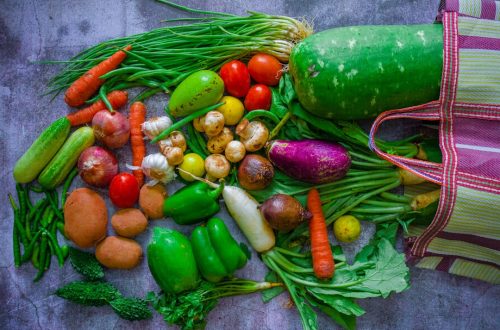
Plant-forward is all about prioritizing plants in your meals. It’s not about eliminating meat but about elevating the role of fruits, vegetables, legumes, nuts, and seeds. This approach fosters better health and supports sustainable eating habits.
Why Choose Plant-Forward?
- Nutrient Density: Plants are rich in vitamins, minerals, and antioxidants that boost your immunity and energy levels.
- Digestive Health: Fiber from plant foods aids digestion and promotes gut health.
- Environmental Impact: Consuming more plants reduces your carbon footprint, benefiting the planet.
How to Incorporate Plant-Forward Eating into Your Life
Transitioning to a plant-forward lifestyle doesn’t have to be overwhelming. Here are some practical steps to get you started:
Start Small and Simple
- Begin by adding one or two plant-based meals a week. Gradually increase this as you become more comfortable.
- Experiment with different vegetables and fruits to discover new flavors and textures.
Prioritize Whole Foods
- Choose whole grains like quinoa and brown rice over refined grains.
- Opt for fresh or frozen fruits and vegetables instead of canned varieties.
Get Creative with Recipes
- Try plant-forward versions of your favorite dishes. Think lentil tacos or zucchini noodles.
- Explore international cuisines that naturally emphasize plant-based ingredients.
Overcoming Common Challenges
Switching to a plant-forward diet can bring about a few hurdles. Here’s how to tackle them:
Protein Concerns
- Include plant-based proteins like beans, lentils, tofu, and tempeh.
- Pair grains with legumes to create complete proteins.
Time Constraints
- Pre-plan your meals to make cooking more efficient.
- Batch cook and freeze meals to save time during busy weeks.
FAQ
Here are some frequently asked questions about plant-forward eating:
Is plant-forward the same as vegan?
No, plant-forward doesn’t eliminate meat or animal products. It simply emphasizes plant foods more than animal-derived ones.
Can I get enough protein on a plant-forward diet?
Absolutely. By incorporating a variety of plant proteins, you can easily meet your protein needs.
How can I make plant-forward meals more filling?
Combine fiber-rich foods with healthy fats like avocados or nuts to increase satiety.
Encouraging Change: Your Plant-Forward Journey
Embracing a plant-forward lifestyle is a rewarding journey. It’s about making small, steady changes that lead to lasting health benefits. By prioritizing plants, you’re not only nourishing your body but also contributing to a healthier planet. Start today, and feel empowered with every bite.
“`
Real-world application: Last month, I shared this with my family and was surprised by how quickly they adapted. The secret? Start small and build gradually.
Real-world application: Last month, I shared this with my family and was surprised by how quickly they adapted. The secret? Start small and build gradually.


You May Also Like
Fun and Tasty Plant-Forward Lunch Ideas You’ll Love
Hey, Need Some Plant-Forward Dinner Ideas?