Understanding Whole Foods Meal Ideas: A Guide to Healthy Eating
Some of the links in this article are "affiliate links", a link with a special tracking code. This means if you click on an affiliate link and purchase the item, we will receive an affiliate commission.
The price of the item is the same whether it is an affiliate link or not. Regardless, we only recommend products or services we believe will add value to our readers.
By using the affiliate links, you are helping support our Website, and we genuinely appreciate your support.
What Are Whole Foods?
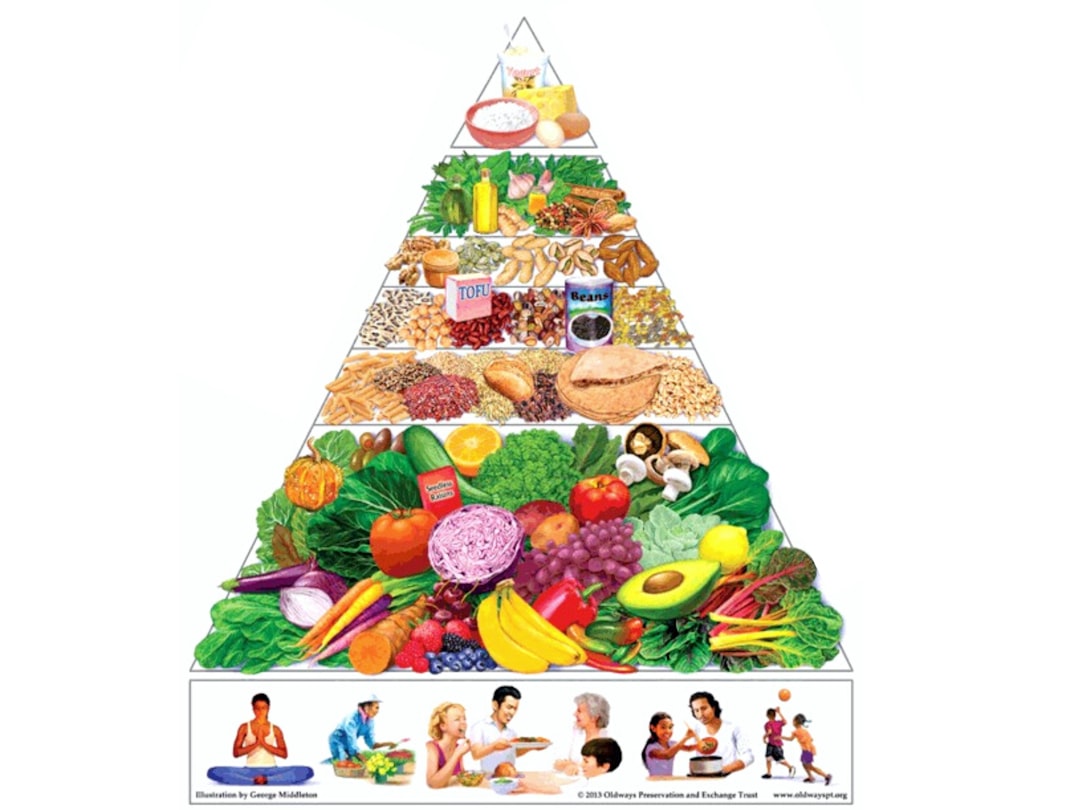
Let’s start by understanding what whole foods are. Whole foods refer to foods that are minimally processed and as close to their natural form as possible. For example, fresh fruits, vegetables, whole grains, nuts, and seeds are considered whole foods. The key point is that these foods retain their nutrients and fiber, making them a healthier choice compared to processed foods.
Benefits of Whole Foods
To explain the benefits of whole foods, research shows that they are rich in essential nutrients such as vitamins, minerals, and antioxidants. Studies indicate that consuming whole foods can lead to better health outcomes, including reduced risk of chronic diseases like heart disease, diabetes, and obesity. In other words, whole foods provide the body with the necessary nutrients to function optimally.
Whole Foods Meal Ideas
Now, let’s explore some meal ideas that incorporate whole foods. These meals are designed to be nutritious, delicious, and easy to prepare.
Breakfast Options
- Oatmeal with Fresh Fruits: Think of oatmeal as a blank canvas. You can add fresh fruits like berries, bananas, or apples to enhance its flavor and nutritional value.
- Avocado Toast: Whole grain bread topped with avocado, a sprinkle of salt, and a dash of lemon juice makes for a satisfying start to your day.
- Greek Yogurt Parfait: Layer Greek yogurt with granola and fresh fruits for a protein-rich breakfast.
Lunch Ideas
- Quinoa Salad: Combine quinoa with chopped vegetables, nuts, and a light vinaigrette for a refreshing meal.
- Vegetable Stir-Fry: Use a variety of colorful vegetables and stir-fry them in olive oil. Add tofu or chicken for protein.
- Lentil Soup: A hearty soup made with lentils, carrots, and spinach can be both filling and nutritious.
Dinner Suggestions
- Grilled Salmon with Asparagus: Grill salmon and serve it with steamed asparagus for a balanced meal.
- Stuffed Bell Peppers: Fill bell peppers with a mixture of brown rice, beans, and vegetables, then bake them.
- Whole Wheat Pasta with Tomato Sauce: Use whole wheat pasta and a homemade tomato sauce for a healthier version of a classic dish.
Key Takeaways
What this means is that incorporating whole foods into your meals can significantly boost your health. The key point is to choose foods that are minimally processed and rich in nutrients. For example, opting for fresh fruits and vegetables over canned or packaged ones ensures you get more vitamins and minerals.
Summary
In summary, understanding whole foods and their benefits can help you make better dietary choices. We’ve explored various meal ideas that emphasize whole foods, from breakfast to dinner. These meals are not only nutritious but also simple to prepare, making it easier to maintain a healthy lifestyle.

You May Also Like
Understanding Whole Foods Meal Prep: A Step-by-Step Guide
Understanding Whole Food Recipes: A Step-by-Step Guide