How To Eat Enough Protein Without Relying On Shakes – nutritionstrippeda
Some of the links in this article are "affiliate links", a link with a special tracking code. This means if you click on an affiliate link and purchase the item, we will receive an affiliate commission.
The price of the item is the same whether it is an affiliate link or not. Regardless, we only recommend products or services we believe will add value to our readers.
By using the affiliate links, you are helping support our Website, and we genuinely appreciate your support.
# Stop Chugging Powder: How to Eat Enough Protein Without Relying on Shakes
You know that specific heaviness in your stomach at 10 AM? The one where you just finished your “healthy” smoothie but feel like you’re wearing a lead vest?
I used to hate that feeling.
For years, I was obsessed with the idea of efficiency. If I could blend my breakfast, lunch, and half of dinner into a 500ml tube of green sludge, I thought I was winning at life. I’d chug those shakes before my 6 AM jog in Austin, convinced that the whey concentrate was fueling my muscles while the rest of the world hit snooze.
But here’s the thing.
Shakes are convenient. They’re portable. They’re easy. But they’re also kind of lonely.
Eating a shake doesn’t require chewing. It doesn’t require sitting down. It doesn’t require talking to anyone (except maybe the person watching you pour powder into water like it’s a science experiment). And because you don’t chew it, your brain doesn’t always register that you’ve actually eaten. Two hours later, you’re hungry again. So you reach for another coffee. Or another snack. And the cycle continues.
If you’re tired of feeling like a milkshake machine, you’re in the right place. Learning **how to eat enough protein without relying on shakes** isn’t just about losing the powder canister. It’s about reconnecting with food. It’s about realizing that a piece of chicken tastes better than you remember, and that eggs are actually crunchy on the outside.
Let’s dig into how to fix your protein intake using real, solid, chewable food.
## The “Chew Factor”: Why Your Brain Needs to Work
Here’s a fact that might change your morning routine: Your brain tracks satiety partly based on how much effort you put into eating.
When you drink your calories, you skip the mechanical digestion phase. You skip the saliva enzymes. You skip the stretching of the stomach that signals your vagus nerve to send a text message to your brain saying, “Hey, we’re full.”
I tried tracking this myself. I logged two weeks of data on my Apple Watch, comparing days where I drank my protein versus days where I ate it. On shake days, my resting heart rate was slightly higher in the afternoon (probably from the sugar crash or just the liquid volume), but more importantly, my hunger pangs hit 90 minutes after breakfast every single time.
On solid food days? I didn’t feel hungry until lunch.
The science backs this up. A study published in the *American Journal of Clinical Nutrition* found that participants who consumed liquid meals reported higher hunger levels and ate more calories at the next meal compared to those who ate solid meals with the same nutritional content.
Basically, chewing is part of the digestion process. If you aren’t chewing, you aren’t done eating.
So, if you want to know **how to eat enough protein without relying on shakes**, start by forcing yourself to chew. It sounds silly, but it’s the fastest way to stop overeating later in the day.
## The “Protein Anchor” Strategy
Most people think they need to hit 150 grams of protein a day. And sure, if you’re a bodybuilder preparing for a show, maybe you do. But for the average person trying to stay lean, energetic, and healthy? You probably need around 0.8 to 1 gram per pound of body weight, spread out evenly.
The mistake? Eating 30 grams of protein at dinner and 10 grams at breakfast.
Your muscles can’t store protein like they store fat. They have a limit on how much they can use for synthesis at one time. If you flood your system with 60 grams of steak at 8 PM, your body uses what it needs and stores the rest. If you starve it in the morning, your metabolism stays in low gear.
The solution is the “Protein Anchor.”
This means every single meal has a dedicated protein source. Not a side of protein. Not a sprinkle of protein. A main event.
Here’s how I structure my day now, and it’s saved my sanity (and my waistline):
### Breakfast: The 30g Anchor
Before I started eating solid breakfasts, I was drinking coffee and skipping until noon. My energy crashed by 2 PM every day. I knew why. I wasn’t eating enough protein early on.
Now, I aim for at least 30 grams before 9 AM. That’s not a handful of almonds. That’s real food.
* **3 Eggs**: That’s about 18 grams. Simple. Cheap.
* **1/2 Cup Cottage Cheese**: That’s another 12-14 grams. (I know, the texture is divisive. Try mixing it with pepper and cucumber. It’s savory and creamy.)
* **Greek Yogurt**: 1 cup of plain, non-fat Greek yogurt has around 20 grams. Add berries for fiber.
That’s 30-35 grams without a single scoop of powder. And because you’re eating it, you’re full.
### Lunch: The “Leftover” Hack
You don’t need to cook a special lunch. You just need to repurpose dinner.
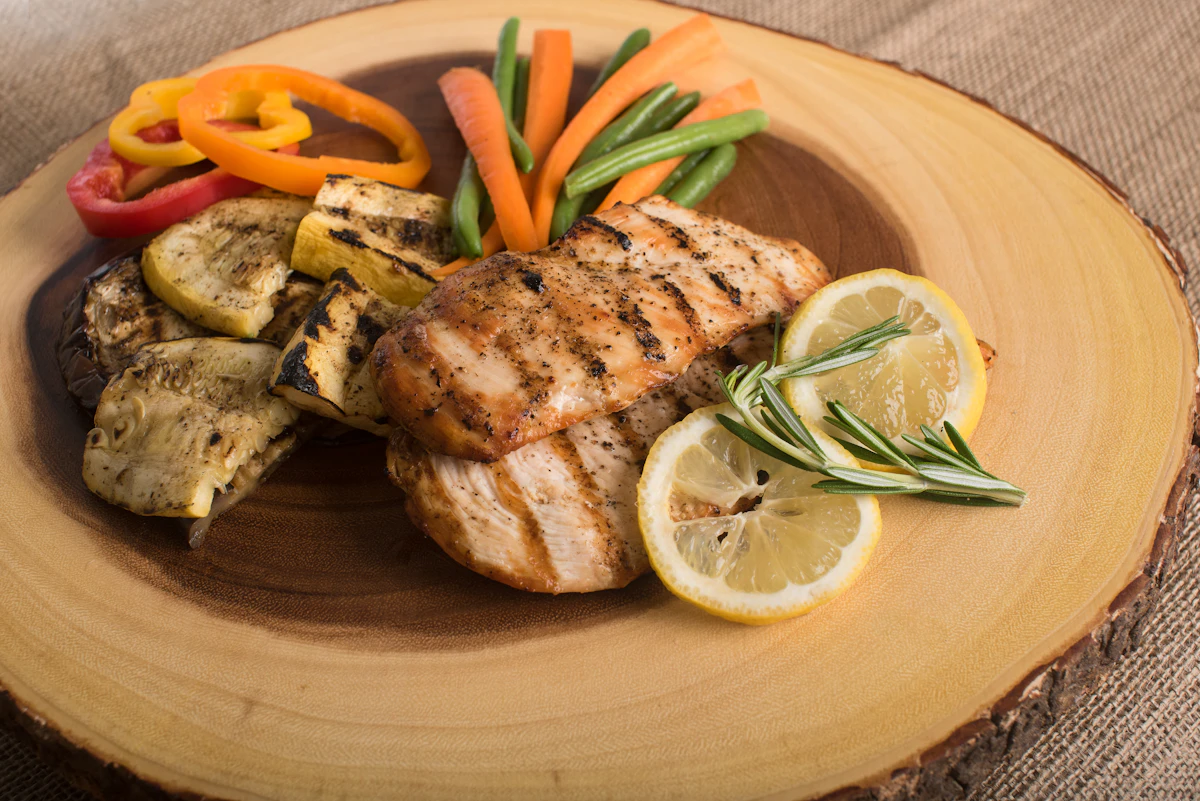
If you grill chicken breasts for dinner, take half out before you season it. Eat it cold or room temp at lunch. It takes zero effort.
A 3-ounce serving of chicken breast has about 26 grams of protein. Pair that with some rice and veggies, and you’ve hit your lunch target. No blender required. No cleaning a pitcher. Just a Tupperware container and a fork.
This is the easiest way to master **how to eat enough protein without relying on shakes**. You’re already cooking dinner. Just cook a little extra.
### Dinner: The Flavor Focus
Since breakfast and lunch are functional (get the protein in, keep the energy steady), dinner is for flavor. This is where you play.
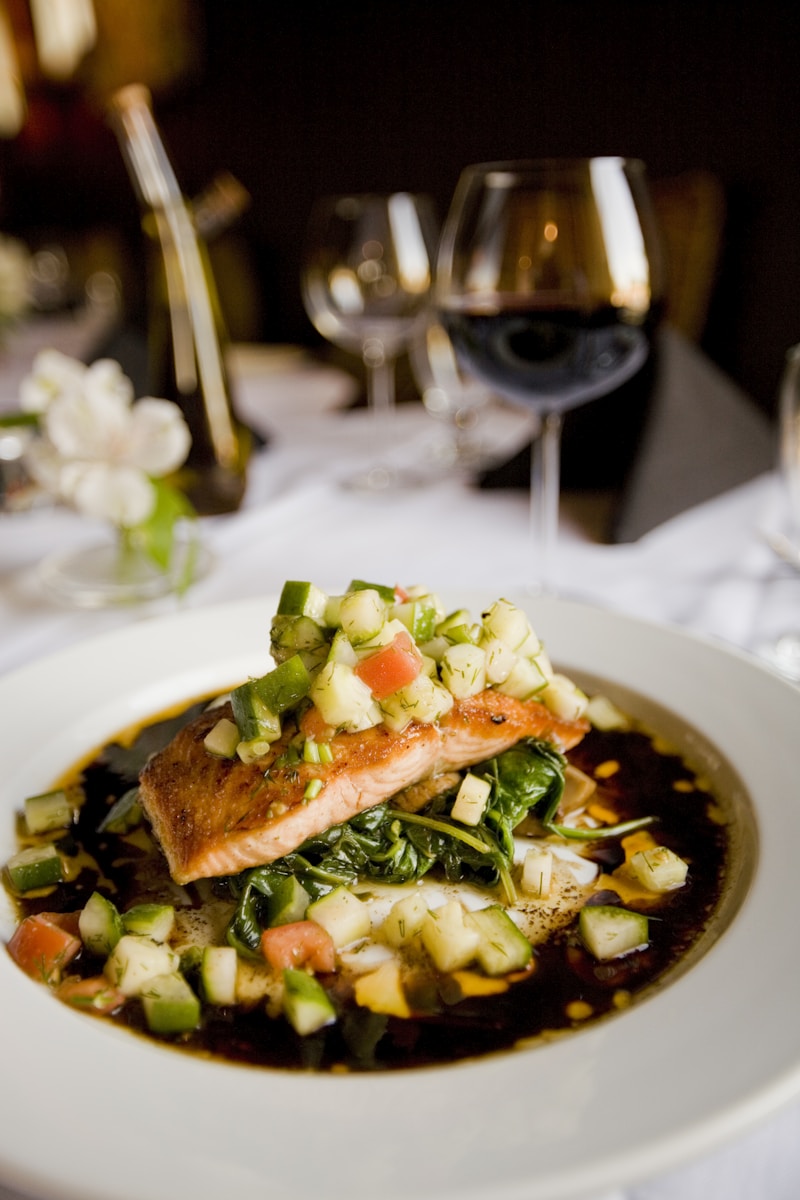
* **Salmon**: 4 ounces of salmon has roughly 20-25 grams of protein. Plus, you get Omega-3s for your brain.
* **Steak**: A small sirloin steak is packed with protein and iron.
* **Lentils**: If you’re plant-based, 1 cup of cooked lentils gives you about 18 grams. Pair it with quinoa to get a complete amino acid profile.
## The “Side Dish” Protein Hack
Sometimes, you eat a meal that’s light on protein. Maybe it’s a pasta night, or a salad with just veggies. Don’t panic. You don’t need a shake to fix it. You just need a side dish.
This is what I call “Protein Padding.”
* **Add Parmesan**: A tablespoon of parmesan cheese has about 2 grams of protein. Sprinkle it on everything. It’s salty, crunchy, and easy.
* **Edamame**: A half-cup of shelled edamame has 9 grams of protein. Eat them like popcorn while you watch TV.
* **Pumpkin Seeds**: A quarter cup has 9 grams. Throw them on your yogurt. Throw them on your salad.
* **Tuna**: Canned tuna is the ultimate cheat code. 3 ounces has 20 grams of protein. Mix it with a little mayo or Greek yogurt and eat it straight from the can, or put it on toast.
I keep a jar of pumpkin seeds on my desk at all times. When I hit that 3 PM slump, I eat a handful instead of reaching for a donut. It’s crunchy, it’s savory, and it keeps me going until dinner.
## Plant-Based? No Problem.
A lot of people tell me they want to cut shakes because they’re vegan. “Where’s the protein?” they ask.
Turns out, plants are full of it. You just have to be strategic.
Soy is your best friend. Tofu, tempeh, edamame. Tempeh, specifically, is a powerhouse. One cup of tempeh has about 31 grams of protein. It’s fermented, so it’s good for your gut health too (which I wrote about in my article on [gut health and digestion](/category/gut-health/)).
Chickpeas are another hero. Roast them with cumin and paprika until they’re crispy. They taste like chips but act like protein.
Hemp seeds are easy to sprinkle. Just add a tablespoon to your oatmeal. You get 3 grams of protein, plus healthy fats. It’s an easy win.
If you’re curious about more plant-based swaps, check out my guide on [high-protein vegetarian meals](/category/vegetarian/).
## The “Snack” Trap
Here’s where most people fail. They hit their protein goals at breakfast, lunch, and dinner. But then, they have a snack. And that snack is low-protein.
A bag of pretzels? 5 grams of protein.
A granola bar? Maybe 3 grams.
A piece of fruit? 1 gram.
You’re left 10 grams short. So you feel slightly unsatisfied. Your brain is looking for that protein signal.
Switch your snacks.
* **Hard-boiled eggs**: Peel them on Sunday night. Keep them in the fridge. One egg has 6 grams. Eat two. Done.
* **Jerky**: Beef or turkey jerky. Look for brands with low sugar. 1 ounce can have 10 grams.
* **Cheese sticks**: String cheese is convenient. 6-8 grams per stick.
I used to snack on crackers and cheese. That’s fine, but the crackers add a lot of carbs and not much protein. Now, I just eat the cheese stick. Or I eat the cheese stick *and* an apple. Better balance.
## What Surprised Me?
I didn’t expect how much better my skin would look when I stopped drinking shakes.
For years, I had a little bit of breakouts on my jawline. I thought it was stress. My doctor, Dr. Sarah Mitchell, mentioned that dairy-based whey protein can spike insulin-like growth factor (IGF-1) in some people, which can trigger acne.
I switched to whole foods for a month. No whey. No casein. Just chicken, eggs, fish, and tofu.
My skin cleared up.
I don’t know if it was the lack of sugar (many protein powders have hidden sugars) or the lack of concentrated dairy, or just the fact that I was eating more vegetables with my meals. But it was a nice side effect.
And honestly? I saved money. Protein powder is expensive. A carton of eggs is cheap. A bag of chicken thighs is cheaper. Over a year, switching to solid food saves you hundreds of dollars.
## The Bottom Line
You don’t need a blender to be healthy. You don’t need to measure your life in scoops.
Learning **how to eat enough protein without relying on shakes** is really about learning how to listen to your body. It’s about eating food that requires effort. It’s about sitting down for meals. It’s about realizing that a 30-gram protein anchor at breakfast sets the tone for the entire day.
Start small. Add an egg to your morning. Add a side of edamame to your lunch. Swap your afternoon cookie for a handful of almonds.
Your stomach will thank you. Your brain will thank you. And your bank account might even smile a little.
Or at least, that’s what I thought until I tried eating a whole block of cheddar cheese for dinner. (Lesson learned. Don’t do that.)
So, what’s your go-to high-protein snack? Do you eat eggs in the morning, or are you still team coffee? Let me know in the comments. I read every single one. (And yes, I reply, even if it’s 11 PM and I’m still drinking my third cup of coffee.)
Stay strong, eat solid,
Xiao Ai

You May Also Like
Best ever gluten free pasta
Best Vitamins And Supplements For 2026