Exploring Whole Food Cooking: Ideas and Techniques
Some of the links in this article are "affiliate links", a link with a special tracking code. This means if you click on an affiliate link and purchase the item, we will receive an affiliate commission.
The price of the item is the same whether it is an affiliate link or not. Regardless, we only recommend products or services we believe will add value to our readers.
By using the affiliate links, you are helping support our Website, and we genuinely appreciate your support.
Understanding Whole Food Cooking
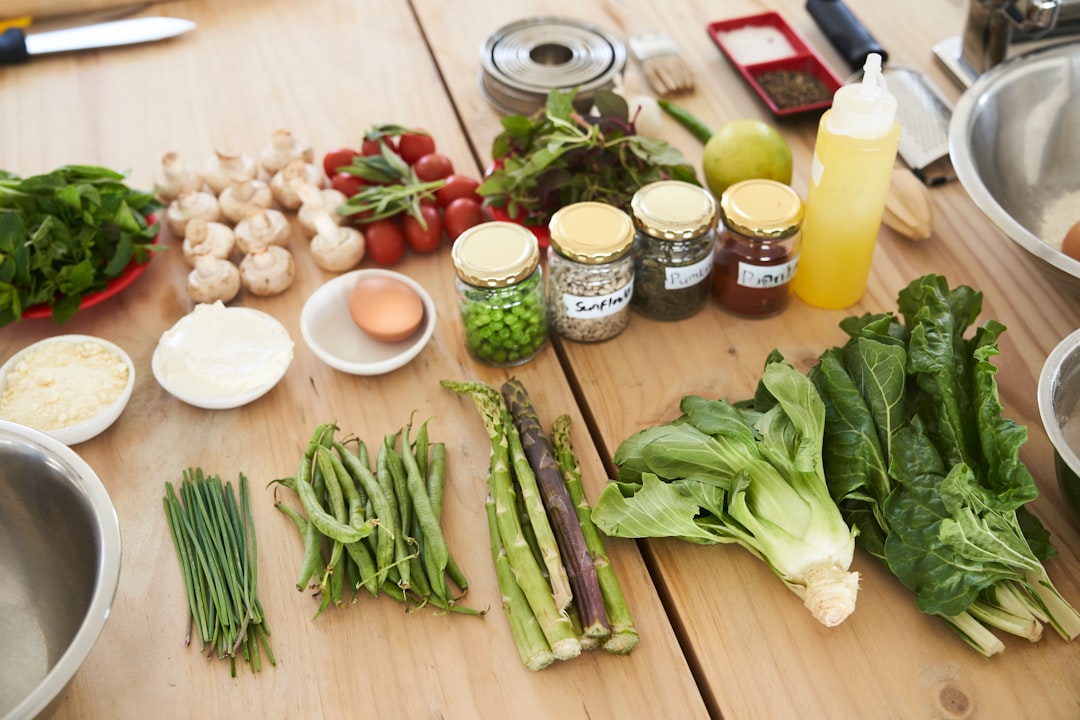
Let’s start by understanding what whole food cooking means. Whole food cooking involves preparing meals using ingredients that are as close to their natural form as possible. This means using foods that are unprocessed or minimally processed, such as fresh fruits and vegetables, whole grains, nuts, seeds, and legumes. The key point is to preserve the nutritional integrity of the food.
Why Choose Whole Foods?
To explain this concept further, research shows that whole foods provide essential nutrients that are often lost in processed foods. For example, whole grains retain their fiber and nutrient-rich germ, unlike refined grains. Studies indicate that diets rich in whole foods are associated with lower risks of chronic diseases such as heart disease and diabetes.
Step-by-Step Whole Food Cooking Ideas
Here are some simple ideas to get started with whole food cooking:
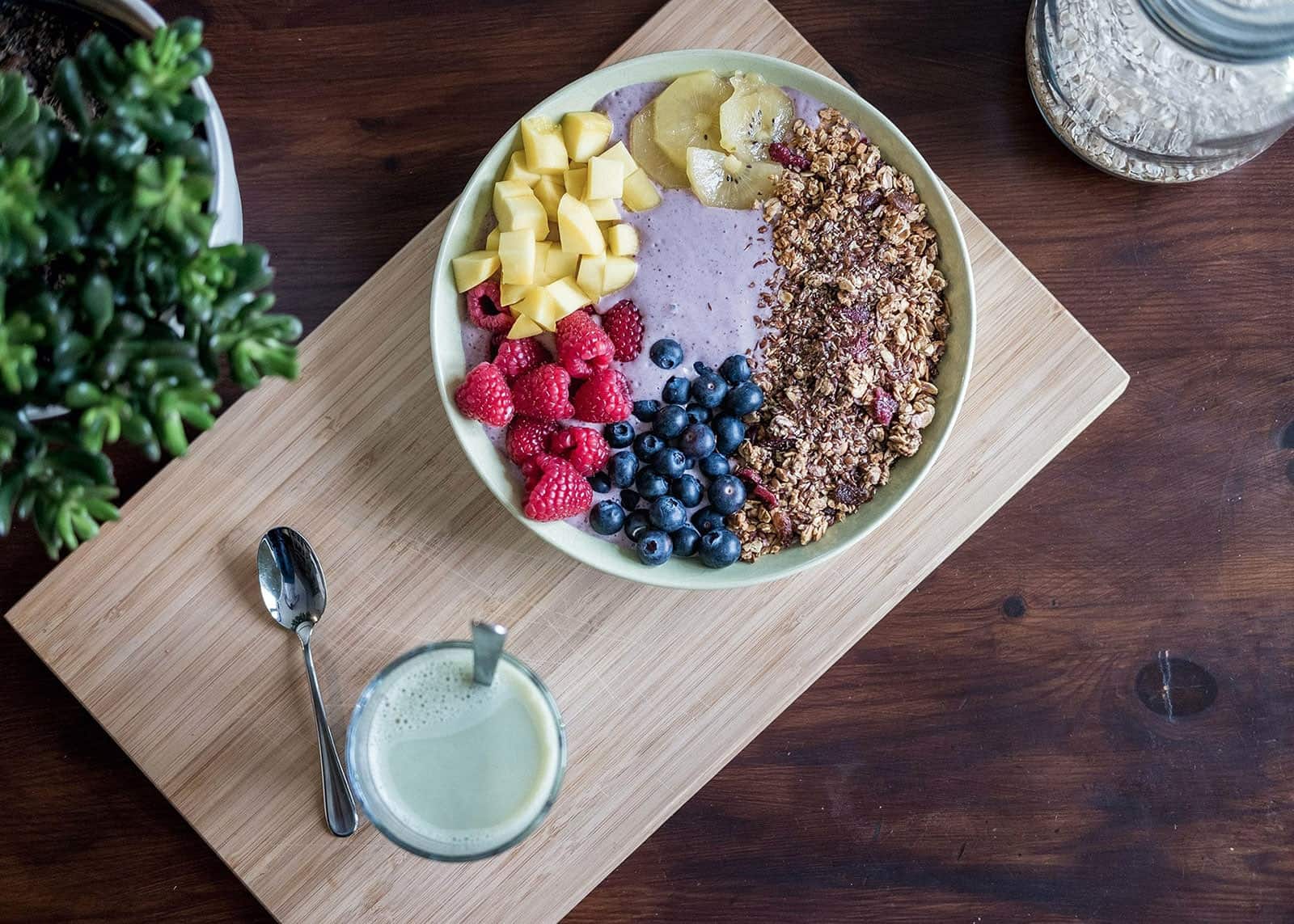
- Breakfast: Think of starting your day with a whole grain oatmeal topped with fresh fruits and nuts. This meal provides fiber, vitamins, and healthy fats.
- Lunch: Consider a salad made with leafy greens, colorful vegetables, quinoa, and a dressing made from olive oil and lemon juice. This combination is nutrient-dense and satisfying.
- Dinner: Prepare a stir-fry using a variety of vegetables, tofu, or chicken, and brown rice. This dish is a great way to incorporate different textures and flavors.
- Snacks: Opt for raw nuts, seeds, or fruit slices. These snacks are convenient and packed with nutrients.
Cooking Techniques for Whole Foods
To make the most of whole foods, let’s explore some cooking techniques:
- Steaming: Steaming vegetables helps retain their nutrients compared to boiling. Research suggests steaming preserves vitamins and minerals effectively.
- Roasting: Roasting enhances the natural flavors of vegetables and can be done with minimal oil.
- Sautéing: Sautéing with healthy oils like olive oil can add flavor without compromising nutritional value.
Key Takeaways
The key takeaway is that whole food cooking emphasizes the use of natural, unprocessed ingredients. By focusing on whole foods, you can enjoy meals that are both nutritious and delicious.
What You’ve Learned
In summary, whole food cooking is about embracing the natural state of food. By understanding the benefits and techniques, you can create meals that support a healthy lifestyle. Research consistently supports the health advantages of a diet rich in whole foods, making it a worthwhile approach to cooking.

You May Also Like
Understanding Whole Foods Meal Ideas: A Guide to Healthy Eating
Understanding Whole Food Recipes: A Step-by-Step Guide