Understanding Balanced Whole Food Meals: A Step-by-Step Guide
Some of the links in this article are "affiliate links", a link with a special tracking code. This means if you click on an affiliate link and purchase the item, we will receive an affiliate commission.
The price of the item is the same whether it is an affiliate link or not. Regardless, we only recommend products or services we believe will add value to our readers.
By using the affiliate links, you are helping support our Website, and we genuinely appreciate your support.
What Are Balanced Whole Food Meals?
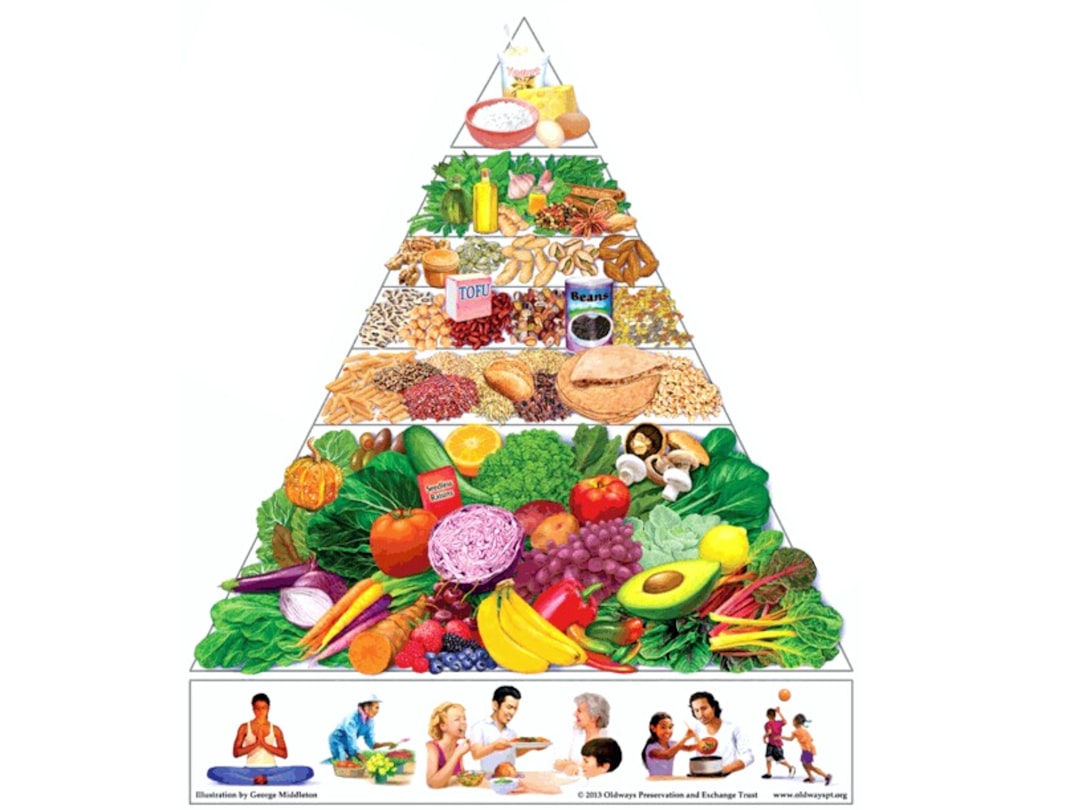
Let’s start by understanding what balanced whole food meals are. These meals consist of natural, unprocessed foods that provide essential nutrients. The key point is to include a variety of food groups to ensure a well-rounded intake of vitamins, minerals, carbohydrates, proteins, and fats.
The Components of Whole Food Meals
To explain this concept, we need to look at the components that make up whole food meals:
- Fruits and Vegetables: These are rich in vitamins, minerals, and fiber. For example, leafy greens like spinach and fruits like apples contribute to a healthy diet.
- Whole Grains: Think of whole grains as complex carbohydrates that provide energy. Brown rice and quinoa are excellent choices.
- Proteins: Proteins are essential for building and repairing tissues. Sources include beans, nuts, and lean meats.
- Healthy Fats: These fats are crucial for brain health and energy. Avocados and olive oil are good examples.
Why Balance is Important
Research shows that balanced meals can improve overall health and prevent chronic diseases. The key point is that balance ensures you get all necessary nutrients without excess calories. Studies indicate that a diet rich in whole foods can enhance digestion and boost energy levels.
How to Create Balanced Meals
Here’s how it works:
- Plan Your Meals: Start by planning meals that include all food groups. For example, a meal might consist of grilled chicken, quinoa, and steamed broccoli.
- Portion Control: Use portion control to maintain balance. A general guideline is to fill half your plate with vegetables, a quarter with protein, and a quarter with grains.
- Variety is Key: Include different foods to ensure a broad spectrum of nutrients. Think of variety as a way to prevent nutrient deficiencies.
Key Takeaways
In summary, balanced whole food meals are crucial for maintaining health. The key point is to incorporate a variety of unprocessed foods that cover all essential nutrients. This approach not only supports physical well-being but also promotes mental health.
What You’ve Learned
What this means is that by understanding and applying the principles of balanced whole food meals, you can enhance your diet and overall health. Remember, the goal is to enjoy a diverse range of foods that meet your nutritional needs.


You May Also Like

Understanding Whole Foods: A Beginner’s Guide

Understanding Simple Whole Food Recipes: A Step-by-Step Guide