Understanding Whole Food Dinner Recipes: A Step-by-Step Guide
Some of the links in this article are "affiliate links", a link with a special tracking code. This means if you click on an affiliate link and purchase the item, we will receive an affiliate commission.
The price of the item is the same whether it is an affiliate link or not. Regardless, we only recommend products or services we believe will add value to our readers.
By using the affiliate links, you are helping support our Website, and we genuinely appreciate your support.
What Are Whole Foods?
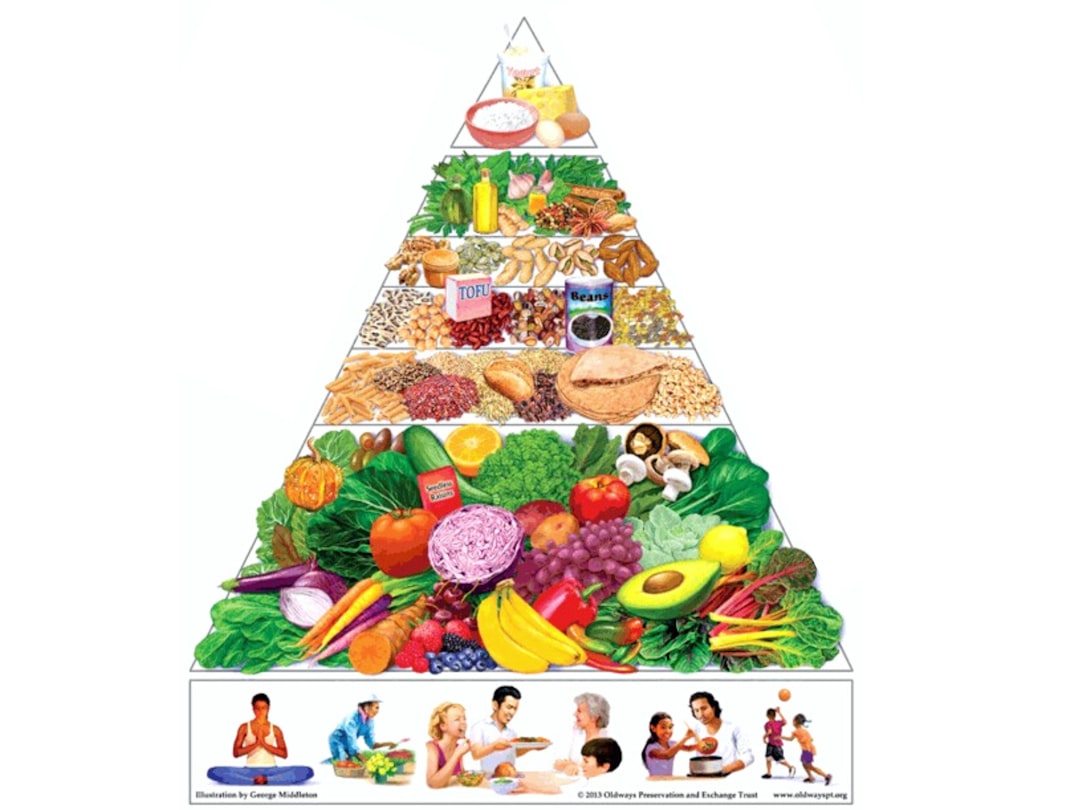
Let’s start by understanding what whole foods are. Whole foods are foods that are as close to their natural form as possible. This means they are minimally processed and free from additives or artificial substances. Examples include fruits, vegetables, whole grains, nuts, seeds, and legumes. The key point is that whole foods retain most of their nutrients, making them a healthy choice for meals.
Benefits of Whole Food Dinners
To explain the benefits of whole food dinners, research shows that diets rich in whole foods can lead to better health outcomes. For example, a study published in the American Journal of Clinical Nutrition indicates that whole foods provide essential nutrients like fiber, vitamins, and minerals, which are crucial for maintaining good health. In other words, incorporating whole foods into your dinner can help improve your overall well-being.
How to Plan a Whole Food Dinner
Here’s how it works: planning a whole food dinner involves selecting ingredients that are unprocessed and nutrient-dense. Think of it this way: aim to fill half your plate with vegetables, a quarter with whole grains, and the remaining quarter with a source of lean protein, such as beans or fish. This balanced approach ensures you’re getting a variety of nutrients.
Step-by-Step Guide to Creating Whole Food Dinner Recipes
- Choose a Base: Start with whole grains like quinoa, brown rice, or whole wheat pasta. These provide a solid foundation and are rich in fiber.
- Add Vegetables: Incorporate a variety of colorful vegetables. For example, bell peppers, spinach, and carrots can add both flavor and nutrients.
- Select a Protein Source: Consider options like beans, lentils, tofu, or fish. Research suggests these protein sources are not only nutritious but also support heart health.
- Include Healthy Fats: Add fats from sources like avocados, nuts, or olive oil. Studies indicate that healthy fats are essential for brain health and hormone production.
- Season and Cook: Use herbs and spices to enhance flavors without adding extra calories. Cooking methods like steaming, grilling, or roasting retain nutrients better than frying.
Sample Whole Food Dinner Recipes
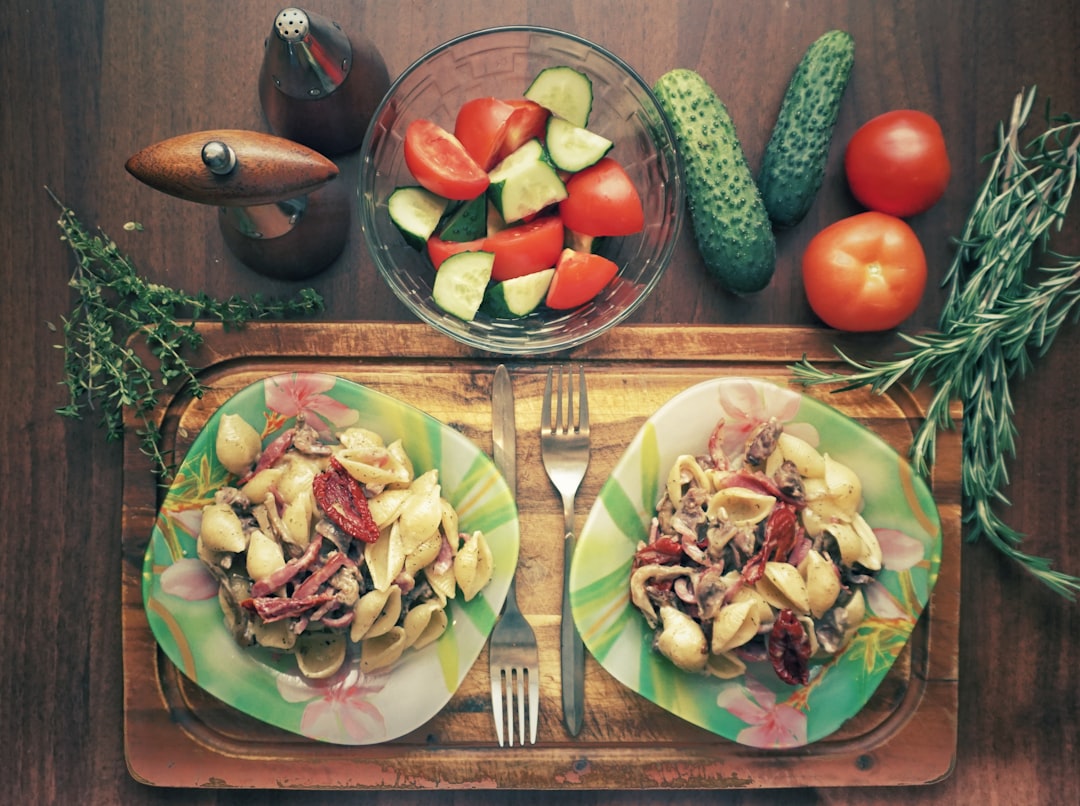
To illustrate, let’s look at a few sample recipes:
- Quinoa and Black Bean Salad: Combine cooked quinoa, black beans, cherry tomatoes, corn, and avocado. Dress with lime juice and cilantro.
- Grilled Salmon with Roasted Vegetables: Season salmon with herbs and grill. Serve with a side of roasted broccoli, carrots, and sweet potatoes.
- Stir-Fried Tofu with Brown Rice: Sauté tofu with bell peppers, broccoli, and snap peas. Serve over brown rice with a soy sauce glaze.
Key Takeaways
- Whole foods are minimally processed and nutrient-rich.
- Whole food dinners support better health outcomes.
- Plan meals with a balance of grains, vegetables, and protein.
- Use healthy fats and herbs for flavor and nutrition.
Summary
What you’ve learned is that whole food dinners are an excellent way to improve your diet and health. By understanding what whole foods are and how to incorporate them into your meals, you can create nutritious and delicious dinners. Remember, the key is to choose minimally processed ingredients and balance your plate with a variety of nutrients. As you explore whole food recipes, you’ll find that eating healthy can be both satisfying and enjoyable.

You May Also Like

The Definitive Guide to Low Sugar South African Treats
Exploring Whole Food Cooking: Ideas and Techniques