
Understanding Whole Food Family Meals: A Step-by-Step Guide
Some of the links in this article are "affiliate links", a link with a special tracking code. This means if you click on an affiliate link and purchase the item, we will receive an affiliate commission.
The price of the item is the same whether it is an affiliate link or not. Regardless, we only recommend products or services we believe will add value to our readers.
By using the affiliate links, you are helping support our Website, and we genuinely appreciate your support.
What Are Whole Foods?
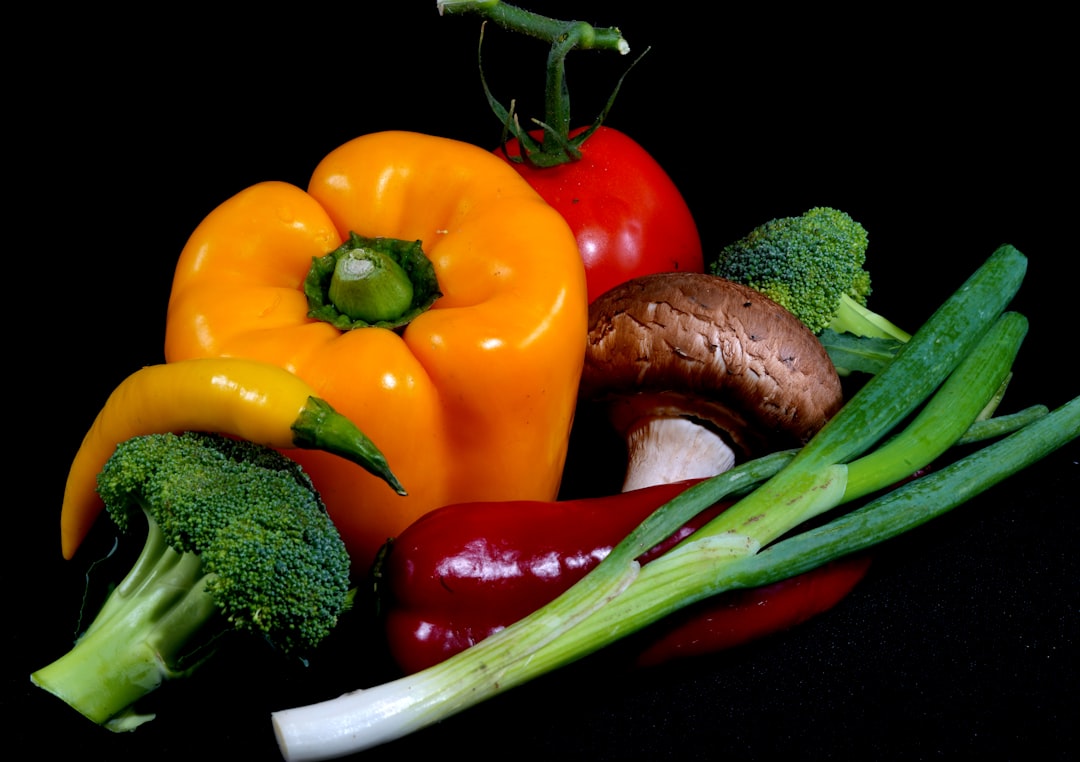
Let’s start by understanding what whole foods are. Whole foods are foods that are minimally processed and free from additives, preservatives, and artificial ingredients. They are typically in their natural state or very close to it. Think of fruits, vegetables, grains, nuts, and seeds as examples of whole foods. Research shows that consuming whole foods can lead to various health benefits, including improved digestion and a reduced risk of chronic diseases.
Why Choose Whole Food Family Meals?
To explain this concept, we need to consider the benefits of whole foods. Studies indicate that whole food diets are rich in nutrients, such as vitamins, minerals, and antioxidants, which are essential for maintaining good health. For example, a diet high in whole fruits and vegetables can provide fiber, which aids in digestion and helps maintain a healthy weight. The key point is that whole food family meals can support overall well-being and promote healthy eating habits for everyone in the family.
How to Plan Whole Food Family Meals
- Assess Family Preferences: Start by understanding the preferences and dietary needs of each family member. This helps in planning meals that everyone will enjoy.
- Create a Weekly Menu: Plan meals for the week, incorporating a variety of whole foods. This ensures balanced nutrition and prevents meal monotony.
- Shop Smart: Make a shopping list based on your menu and stick to it. Focus on purchasing fresh produce, whole grains, and lean proteins.
- Prep Ahead: Prepare ingredients in advance to save time during the week. Chopping vegetables or marinating proteins can make meal preparation quicker.
Examples of Whole Food Family Meals
What this means is that whole food meals can be simple yet nutritious. For example, a dinner of grilled chicken breast, quinoa, and steamed broccoli provides protein, fiber, and essential vitamins. Another option could be a vegetable stir-fry with brown rice, offering a variety of nutrients and flavors. The key takeaway here is that whole food meals can be diverse and cater to different tastes.
Key Takeaways
- Whole foods are minimally processed and rich in nutrients.
- Whole food family meals promote health and well-being.
- Planning and preparation are crucial for successful whole food meals.
- Variety in meals ensures balanced nutrition and enjoyment.
Summary
In summary, whole food family meals are an excellent way to maintain a healthy diet and lifestyle. By understanding the benefits of whole foods, planning meals that cater to family preferences, and preparing ingredients ahead of time, families can enjoy nutritious and delicious meals together. Studies suggest that adopting a whole food diet can lead to improved health outcomes, making it a worthwhile consideration for families looking to enhance their eating habits.

You May Also Like
Understanding Whole Food Recipes: A Step-by-Step Guide
Understanding Whole Food Lunch Ideas: A Guide to Nutritious Meals