Understanding Whole Food Recipes: A Step-by-Step Guide
Some of the links in this article are "affiliate links", a link with a special tracking code. This means if you click on an affiliate link and purchase the item, we will receive an affiliate commission.
The price of the item is the same whether it is an affiliate link or not. Regardless, we only recommend products or services we believe will add value to our readers.
By using the affiliate links, you are helping support our Website, and we genuinely appreciate your support.
What Are Whole Foods?
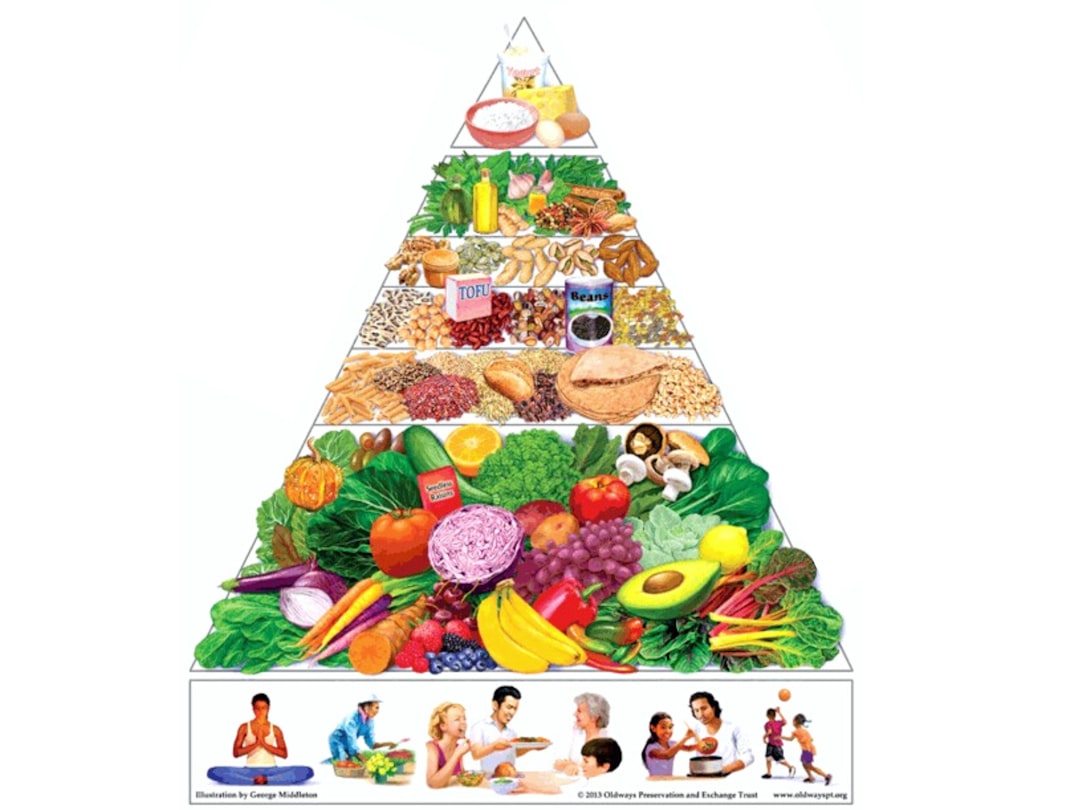
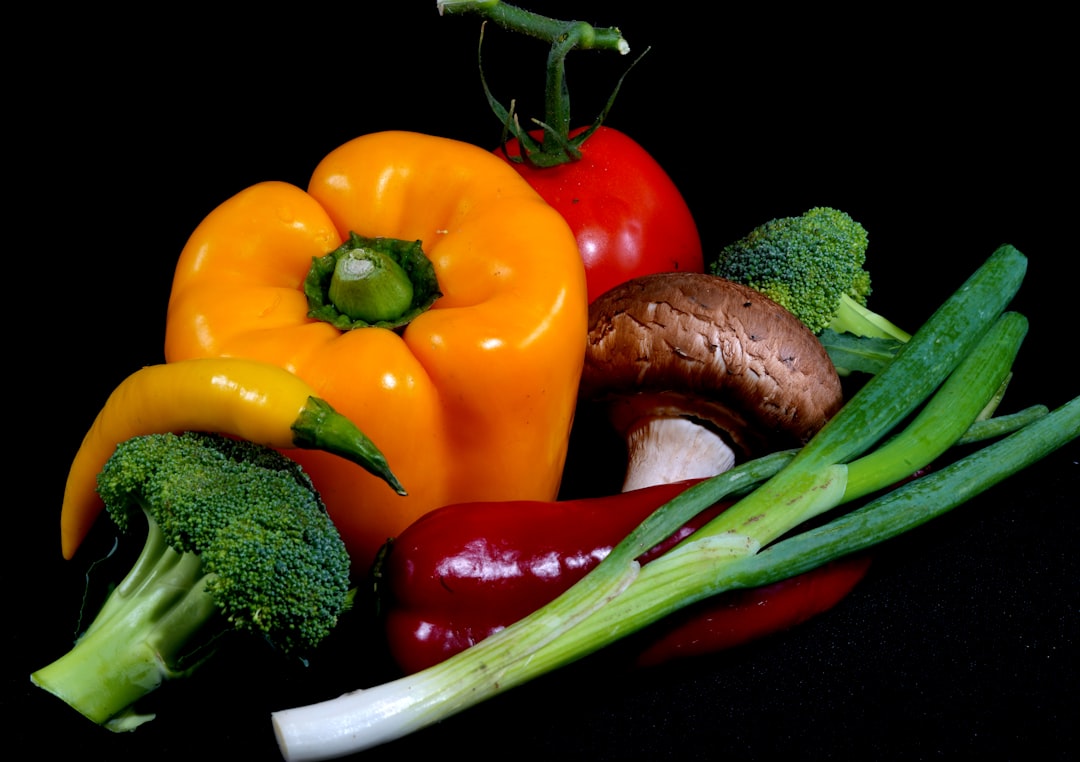
Let’s start by understanding what whole foods are. Whole foods are foods that are minimally processed and remain close to their natural state. They include fruits, vegetables, whole grains, nuts, seeds, and legumes. To explain this concept further, think of an apple compared to apple juice. The apple is a whole food, while the juice is processed. The key point is that whole foods retain their nutritional value because they are not altered significantly.
Benefits of Whole Food Recipes
Research shows that consuming whole foods can lead to numerous health benefits. Studies indicate that diets rich in whole foods can reduce the risk of chronic diseases such as heart disease, diabetes, and obesity. Data suggests that whole foods provide essential nutrients, including fiber, vitamins, and minerals, which are often lost in processed foods. In other words, whole food recipes can be a foundation for a healthy diet.
How to Create Whole Food Recipes
Here’s how it works: creating whole food recipes involves using ingredients in their natural form. Let’s break down the process into simple steps:
- Step 1: Choose fresh, organic ingredients whenever possible. This ensures that you are getting the most nutrients without added chemicals.
- Step 2: Focus on balance. Include a variety of food groups such as proteins, carbohydrates, and fats to create a nutritious meal.
- Step 3: Use healthy cooking methods like steaming, baking, or grilling instead of frying.
- Step 4: Season with herbs and spices to enhance flavor without adding processed sauces or sugars.
Examples of Whole Food Recipes
For example, a simple whole food recipe could be a quinoa salad. Think of it this way: combine cooked quinoa with chopped vegetables like bell peppers, cucumbers, and tomatoes. Add a handful of nuts or seeds for texture, and dress with olive oil and lemon juice. The key point is to use fresh, unprocessed ingredients to maintain nutritional integrity.
Key Takeaways
- Whole foods are minimally processed and retain their natural nutrients.
- Whole food recipes can support a healthy lifestyle and reduce disease risk.
- Creating whole food recipes involves using fresh ingredients and healthy cooking methods.
Summary
What you’ve learned is that whole food recipes focus on using ingredients in their natural state to maximize health benefits. By understanding what whole foods are and how to incorporate them into your meals, you can enjoy a diet that supports overall well-being. Remember to choose fresh, organic options and employ simple cooking techniques to preserve the nutritional value of your meals.


You May Also Like

The Definitive Guide to Low Sugar South African Treats
Understanding Whole Food Family Meals: A Step-by-Step Guide