Understanding Whole Foods: A Beginner’s Guide
Some of the links in this article are "affiliate links", a link with a special tracking code. This means if you click on an affiliate link and purchase the item, we will receive an affiliate commission.
The price of the item is the same whether it is an affiliate link or not. Regardless, we only recommend products or services we believe will add value to our readers.
By using the affiliate links, you are helping support our Website, and we genuinely appreciate your support.
What Are Whole Foods?
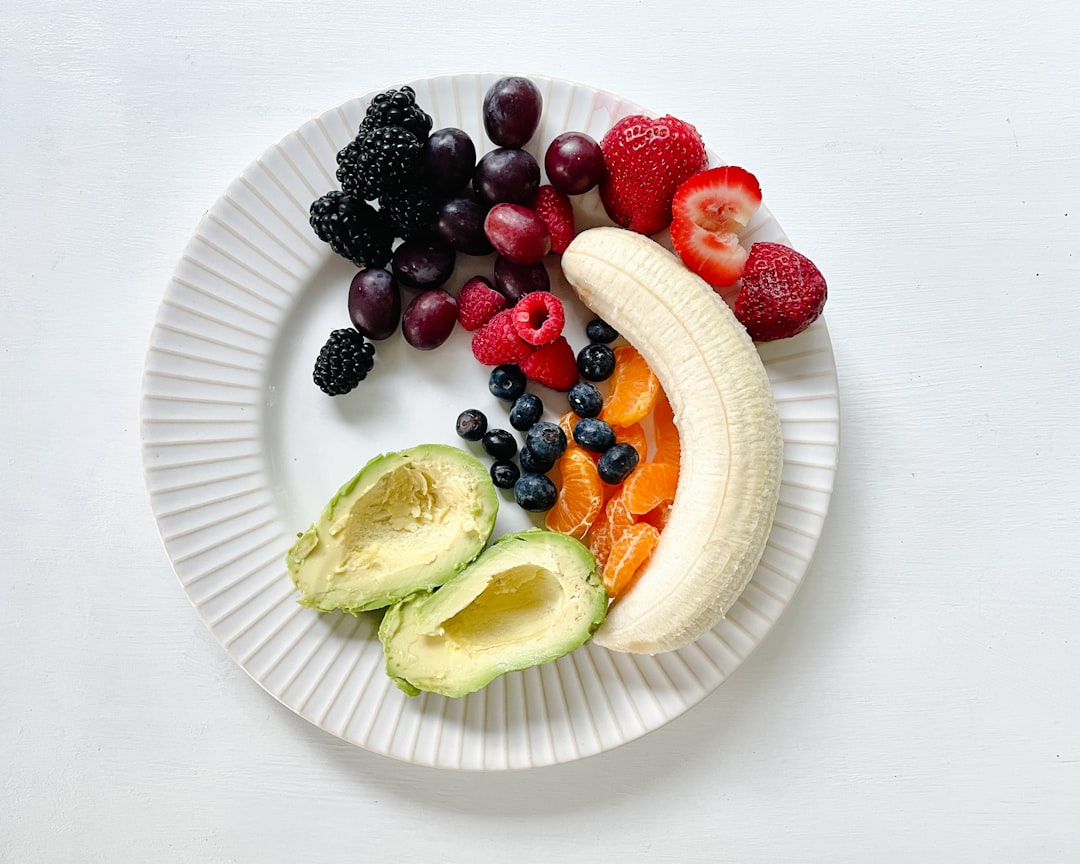
Let’s start by understanding what whole foods are. Whole foods are foods that are minimally processed and are as close to their natural form as possible. This means they do not contain added sugars, fats, or artificial ingredients. For example, fresh fruits, vegetables, whole grains, nuts, and seeds are considered whole foods.
Why Choose Whole Foods?
To explain this concept, it’s important to look at the benefits of consuming whole foods. Research shows that whole foods are rich in essential nutrients, such as vitamins, minerals, and fiber. These nutrients are crucial for maintaining good health. Studies indicate that diets high in whole foods are associated with a lower risk of chronic diseases, such as heart disease, diabetes, and certain cancers.
How to Identify Whole Foods
Think of it this way: whole foods are typically found in their natural state. Here are some steps to help you identify them:
- Look for foods with one ingredient: For example, an apple, a carrot, or a bag of brown rice.
- Avoid foods with long ingredient lists: These often contain additives and preservatives.
- Choose foods that haven’t been altered: Fresh produce, whole grains, and raw nuts are good choices.
Steps to Incorporate Whole Foods into Your Diet
Here’s how it works if you want to start incorporating more whole foods into your diet:
- Start with breakfast: Choose oatmeal topped with fresh fruit instead of sugary cereals.
- Include vegetables in every meal: Add a side salad or steamed vegetables to your lunch and dinner.
- Snack on whole foods: Opt for nuts, seeds, or fruit instead of processed snacks.
- Experiment with whole grains: Try quinoa, brown rice, or whole wheat pasta as alternatives to refined grains.
Challenges and Considerations
What this means is that while whole foods offer numerous benefits, there can be challenges in making the switch. For example, whole foods can sometimes be more expensive or less convenient than processed foods. However, planning meals and buying in bulk can help mitigate these issues. Additionally, studies suggest that the long-term health benefits outweigh the initial challenges.
Key Takeaways
- Whole foods are minimally processed and close to their natural state.
- They provide essential nutrients and are linked to lower risks of chronic diseases.
- Incorporating whole foods into your diet can be done through simple steps like choosing whole grains and fresh produce.
- Challenges such as cost and convenience can be managed with planning.
Summary
In summary, understanding whole foods involves recognizing their natural, unprocessed state and the health benefits they provide. By incorporating more whole foods into your diet, you can enjoy a range of nutrients and potentially reduce your risk of chronic diseases. Remember, small changes, like choosing whole grains and fresh produce, can have a significant impact on your overall health.


You May Also Like

The Definitive Guide to Low Sugar South African Treats
Understanding Whole Food Family Meals: A Step-by-Step Guide