Understanding Whole Foods Meal Prep: A Step-by-Step Guide
Some of the links in this article are "affiliate links", a link with a special tracking code. This means if you click on an affiliate link and purchase the item, we will receive an affiliate commission.
The price of the item is the same whether it is an affiliate link or not. Regardless, we only recommend products or services we believe will add value to our readers.
By using the affiliate links, you are helping support our Website, and we genuinely appreciate your support.
What is Whole Foods Meal Prep?
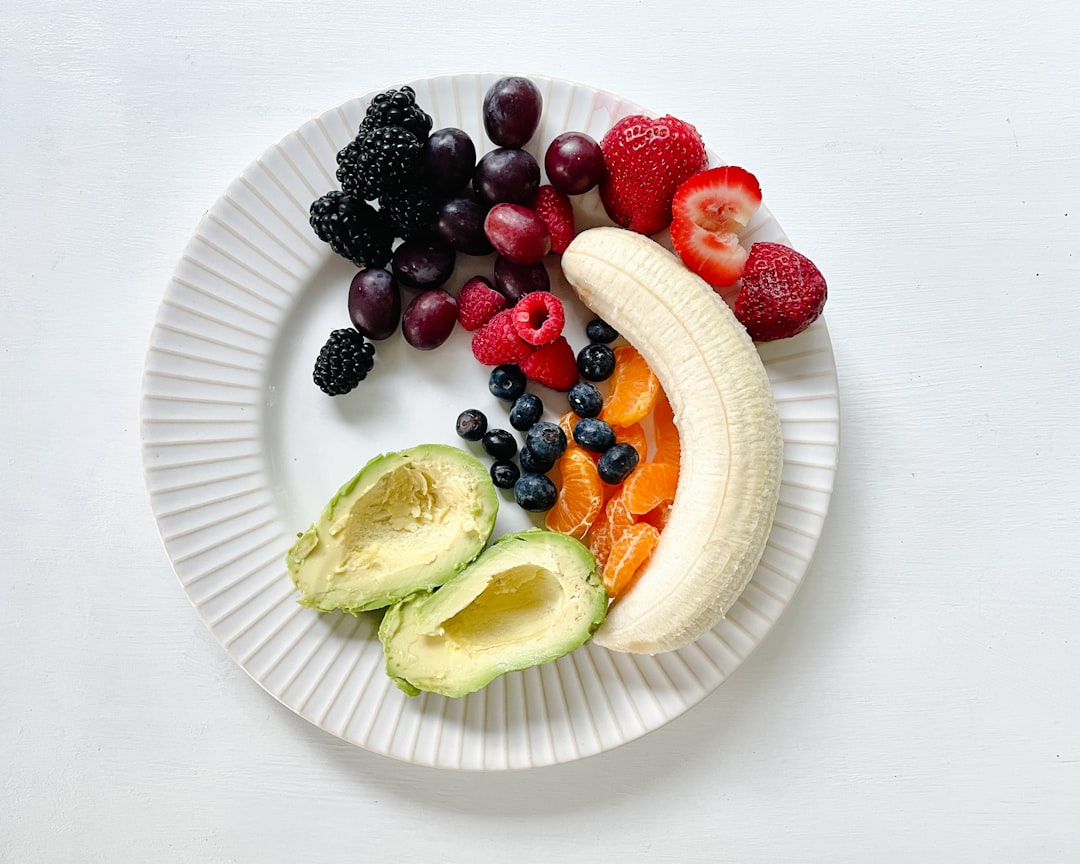
Let’s start by understanding what whole foods meal prep entails. Whole foods are foods that are minimally processed and free from additives or artificial substances. Meal prep involves preparing meals in advance to save time and ensure healthy eating. Combining these concepts, whole foods meal prep focuses on creating nutritious meals using unprocessed ingredients ahead of time.
Why Choose Whole Foods?
To explain the benefits of whole foods, research shows that these foods provide essential nutrients and help maintain overall health. Studies indicate that diets rich in whole foods can reduce the risk of chronic diseases such as heart disease and diabetes. In other words, whole foods offer a natural, nutrient-dense option for meal planning.
Step-by-Step Guide to Whole Foods Meal Prep
- Plan Your Meals: Think of meal planning as creating a roadmap for your week. Decide on recipes that incorporate whole foods like fruits, vegetables, grains, and lean proteins.
- Shop Smart: The key point is to focus on fresh produce and whole grains. Avoid processed foods and opt for organic options when possible.
- Prep Ingredients: Here’s how it works: wash, chop, and store ingredients in airtight containers. This step saves time during cooking.
- Cook Efficiently: Use batch cooking techniques to prepare multiple servings at once. For example, cook grains and proteins in bulk and store them for later use.
- Store Properly: What this means is using the right containers to keep food fresh. Glass containers are often recommended for their durability and ability to preserve flavors.
Benefits of Whole Foods Meal Prep
Studies indicate several advantages of whole foods meal prep. First, it promotes healthy eating by reducing reliance on processed foods. Second, it saves time during busy weekdays. Third, it can be cost-effective, as buying whole foods in bulk often reduces expenses. The key takeaway is that whole foods meal prep supports a healthier lifestyle.
Common Challenges and Solutions
Research suggests that some individuals find meal prep overwhelming. To address this, think of starting small, such as prepping one meal a day. Another approach is to use meal prep services that offer whole foods options. In other words, solutions exist to make meal prep manageable.
Key Takeaways
- Whole foods are minimally processed and nutrient-dense.
- Meal prep involves planning and preparing meals in advance.
- Whole foods meal prep supports healthier eating habits.
- Challenges can be overcome with strategic planning.
Summary
What you’ve learned is that whole foods meal prep combines the benefits of nutritious eating with the convenience of prepared meals. By planning, shopping, prepping, cooking, and storing efficiently, individuals can enjoy the advantages of a healthier lifestyle. Research shows that this approach not only supports physical health but also offers practical benefits in daily life.


You May Also Like
Understanding Simple Whole Food Recipes: A Step-by-Step Guide
Understanding Whole Food Lunch Ideas: A Guide to Nutritious Meals